
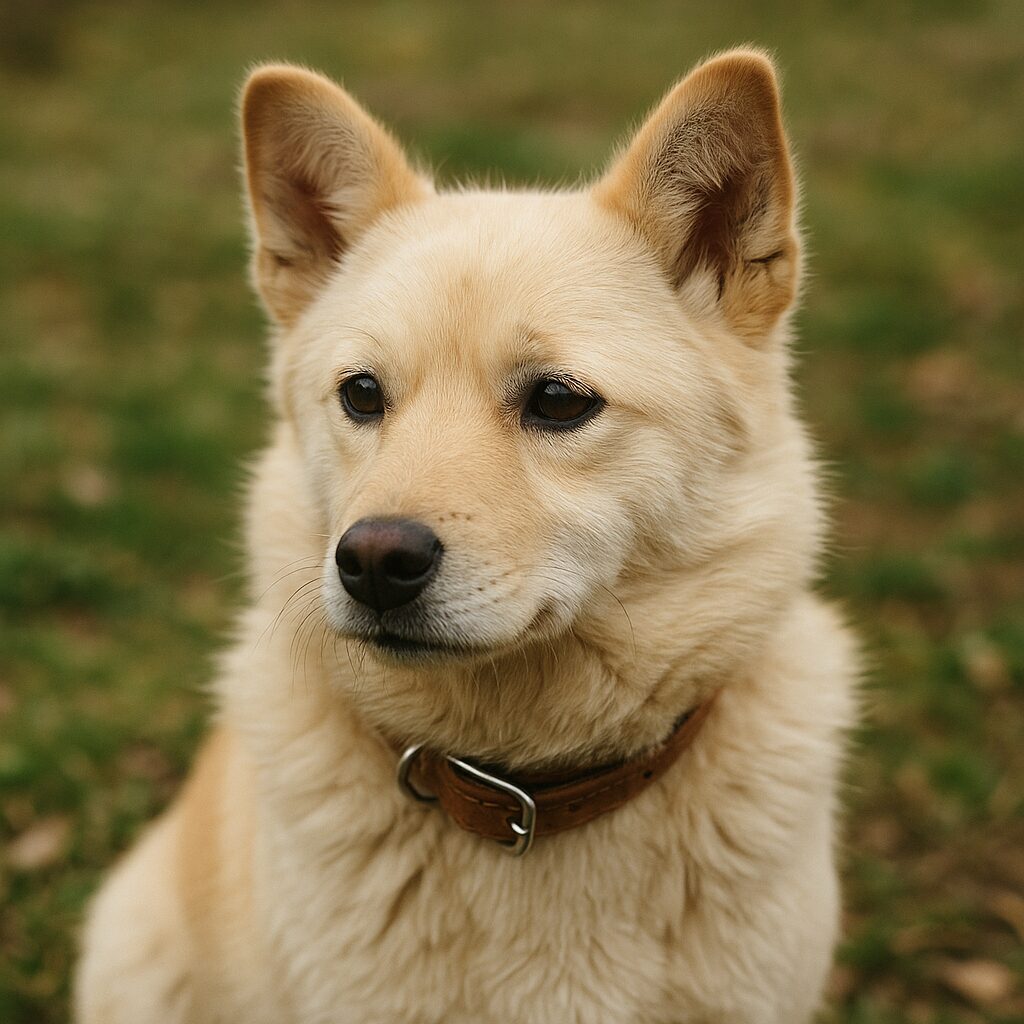
In the quiet towns and mountain valleys of Iwate Prefecture, dozens of dogs sit behind fences, lie in kennels, or roam under watchful care — some lost, some rescued, all longing for home. 🏡
Across the region, local health centers, municipal shelters, and nonprofit rescue networks maintain online listings of dogs found wandering, surrendered by owners, or rescued from danger. Each entry reads like a fragment of a life: a senior dog trembling in a kennel, a once-loved pet wearing a faded collar, a puppy born in cold winter snow now learning what warmth feels like.
One such listing, quietly posted by a shelter in Morioka, caught the attention of many animal lovers across the prefecture. It introduced Suzu, a shy, cream-colored mixed breed who had been found near a riverbank after spring floods. The entry was simple:
“Found by river after flood. Trembles at first. Likes warm blankets and quiet afternoons. Still waiting for her person.”
But behind those few lines lay a story worth telling — one of trauma, healing, and the power of small kindnesses.
1. The Mirror of Absence
When the floodwaters rose, many lives were uprooted. For Suzu, even the faintest ebb of a current was a threat. Her journey, we might imagine, began with confusion: the roar of water, the scent of damp earth, the panic in her chest.
Rescuers found her near a swollen riverbank, teeth chattering, heart racing, fur soaked and matted. She didn’t run — she trembled. She backed away, her body language asking, Will I be hurt again?
That moment, standing on the brink of fear, is a mirror for every lost dog in Iwate. For those whose names we never see, whose faces we never truly see, their stories echo in Suzu’s uncertain steps.
When shelters post scans of dogs in their care, many scroll past. But for someone, somewhere, Suzu might be the one face they’ll never scroll past. She might be the one they’ll whisper her name to and say, That’s mine.
2. Layers of Fear and Memory
Trauma in animals is not always visible. Suzu’s first days at the shelter were marked by silence. She flinched when someone entered the room. She withdrew to the corner. Her eyes, once warm, held a guarded distance.
Yet small details revealed themselves over time. She would inch forward when offered soft food, smell a volunteer’s outstretched hand, rest her head in laps when nobody watched. She learned that the hands offering comfort were not the hands that frightened her.
In one memorable afternoon, a volunteer placed a fleece blanket beside Suzu and quietly sat nearby. She didn’t force affection but allowed presence. Then, Suzu slowly crawled onto the blanket, curled into a ball, and fell asleep. Trust in progress — built in a darkness so many would never see.
Over weeks, Suzu began to wag her tail when volunteers called her name. She would lean for gentle scratches behind the ears, and sometimes, just sometimes, she would lift her head to look someone in the eyes.
Her profile remained humble:
“Likes warm blankets and quiet afternoons. Still waiting for her person.”
But that description concealed the journey behind it — from fear to small hope, from silence to soft whimpers, from trembles to tentative wags.
3. The Web of Care: Iwate’s Open Listings & Rescue Networks
Suzu is not alone. Across Iwate, the system for lost and rescued animals has evolved to be more visible and connected.
Municipal health centers regularly publish “found dog / stray animal” alerts and lists, with photographs, approximate capture location, breed approximations, and contact information. Local rescue groups and foster networks check these listings daily, matching profiles and following leads.
Beyond that, foster-matching networks coordinate between shelters that are full and volunteer homes that have space. When a dog like Suzu shows potential for rehab, she might be moved to a smaller, quieter foster home where emotional healing is easier than in a crowded kennel.
These systems—simple but relational—operate as beacons of hope. Each listing is a call across valleys and towns: Do you recognize this face? Each share, each like, each message sent may connect someone with the dog they had once lost.
In multiple cases, these alerts have led to reunions. A dog found wandering in a rural village was matched by a pet owner far across the prefecture who recognized her markings. A rescue group in a remote area posted a photo at dusk; by morning, the owner had responded. The bridge between lost and found is built one post at a time.
4. Suzu’s Quiet Awakening
Over the course of a month, Suzu transformed. She no longer trembled when someone entered her space. She began to greet volunteers with tentative tail wags. On quieter nights, she would rest her head in a volunteer’s lap, listening to murmured words.
One volunteer recalls: When she first arrived, she wouldn’t make eye contact. Now, she sometimes comes up and sniffles her nose against my hand. Another said, She learned early that blankets make the world smaller, softer, safer.
And yet, Suzu remains in waiting. She still doesn’t run to people; she still flinches at sudden movements. She still needs patience. But she also now hopes — and with that hope comes possibility.
Her listing in the shelter directory reads simply. But to those who follow her, it’s a lifeline: Still waiting for her person. Someone out there might be that person.
5. Why Their Stories Resonate
Every time we scroll past a shelter listing, we scroll past another Suzu waiting in darkness. But these stories hold power because they remind us of connection and vulnerability.
- We see ourselves. Many of us have been lost emotionally, wandering, waiting for something — warmth, acceptance, home. Their eyes echo our longing.
- We become guardians. A share, a comment, a forwarded listing — these are small acts, but in a lonely dog’s world, they represent presence.
- We reinvent hope. Hope is not naïve. It’s resolute persistence. These dogs wait. We wait with them.
In Suzu’s trembling, we feel the ache of absence. In her wagging, we feel the joy of possibility. In every listing, we glimpse the connection that binds animals and humans across silence.
6. What Every One of Us Can Do
If Suzu or any of Iwate’s waiting dogs is to find a home, we all have a role to play — no matter how small.
- Be vigilant. Check municipal and shelter pages daily. Save photos, compare markings, share broadly.
- Share smartly. A local share matters more than 10,000 global likes. Tag local groups, pet shops, neighbors.
- Listen beyond the listing. When a profile name sticks with you, reach out. Ask shelter staff: What is this dog like? What are her fears? Empathy is how we connect.
- Volunteer or foster. If you have space — emotional or physical — you might give one dog the quiet room to recover that a kennel cannot.
- Support shelters. Many need funds, blankets, food, vet care. Under pressure from rising costs, they’re asking now more than ever.
In Iwate, shelters have begun turning to “online fan support” to cover rising costs of care and medical treatment. Even small donations of 500 yen are now being solicited to stay afloat. The burden is real. The need is real.
7. The Heartbeat of Reunion
Imagine the day Suzu hears a familiar voice, a name she once knew. Imagine her running — not trembling — to a person calling, arms open, tears in eyes. That day may come. It could come because someone recognized her eyes, or her markings, or because someone shared her listing in just the right community.
Until then, she waits. But she’s not waiting alone. In every share, in every glance, in every soft moment of hesitation, people across Iwate stand with her.
When we share Suzu’s story, we do it for more than Suzu. We do it for every dog behind kennels, every pawprint in snow, every howl at dusk. We do it because in compassion, we connect.
Will you help her story find its ending?
Because endings are made — one kind act at a time.
🐾💛