
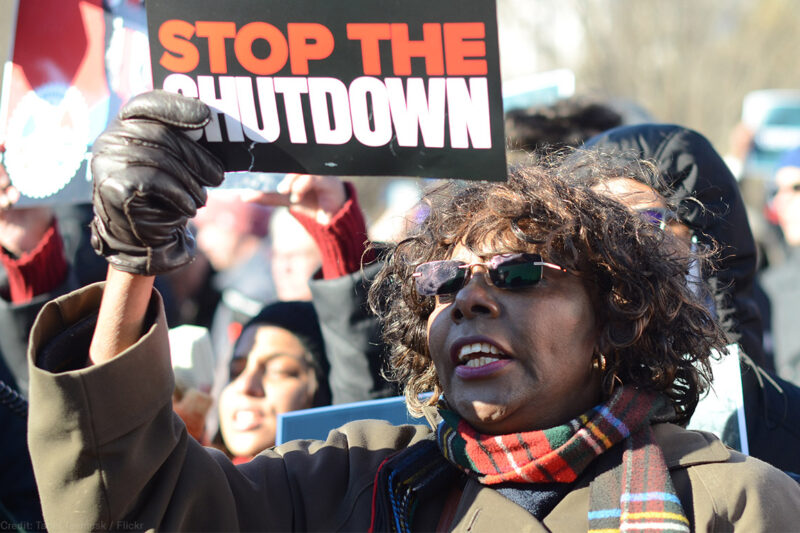
After forty long days of silence in Washington, paychecks have dried up, airports are half-staffed, and millions of Americans are caught between anger and fatigue. Now, at last, the U.S. Senate is inching toward a deal that could bring the federal government back to life. The proposed agreement, part stopgap and part uneasy truce, would temporarily restore funding through January and tack on a promise to debate full-year spending bills. It’s a kind of fragile compromise that arrives only when every other option has collapsed.
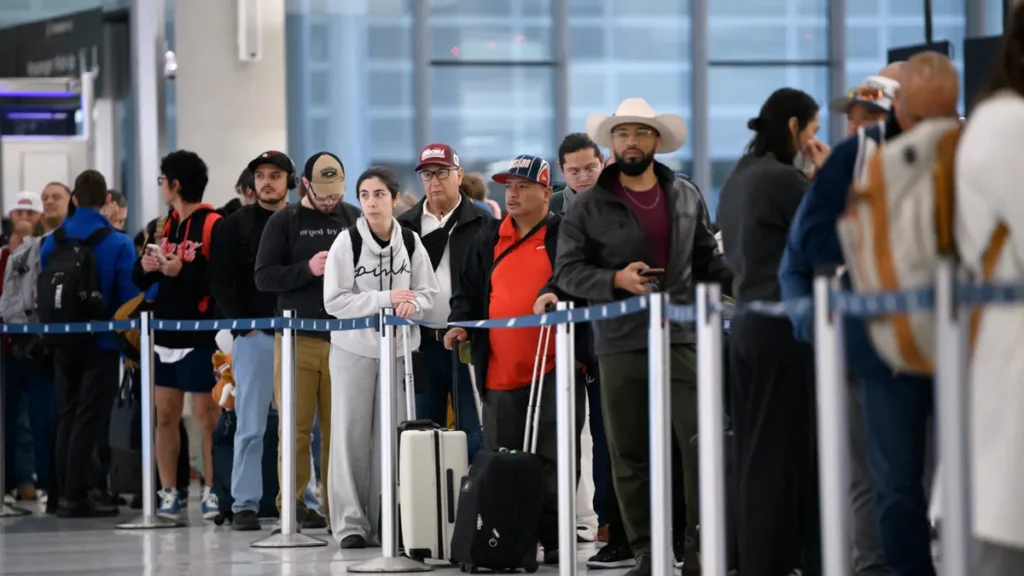
The shutdown, among the longest in U.S. history, began like so many others: as a budget impasse. But it soon became something larger, a symbol of how paralyzed the American system has become. The standoff froze food aid, delayed federal paychecks, and stranded air travelers. Markets shuddered, small businesses that rely on federal contracts were forced to scale back, and an already divided nation was reminded how deeply its politics can wound daily life.
Both parties now claim some form of victory. Democrats argue they forced a path to debate health-care subsidies and protected vital social programs; Republicans say they held the line on reckless spending and won a clean funding measure. Yet neither side escapes blame. The country has endured six weeks of dysfunction, and for most Americans the details of legislative bargaining mean little compared to the simple relief of seeing their government function again.
How did it reach this point?
Partisanship played its part, of course, but so did the architecture of the system itself. The need for sixty votes in the Senate ensures that even a minority can hold the majority hostage.
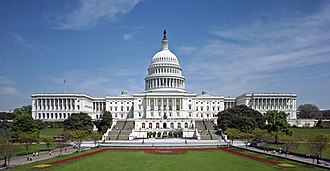
Add to that the reflex to attach unrelated policy battles on health care, immigration, and taxation to basic funding bills, and what you get is a government that can shut itself down with predictable regularity. The mechanics of governance have become tools of leverage.
For federal workers, the ordeal was anything but abstract. Nearly a million were furloughed or forced to work without pay. Families scrambled to cover mortgages. At airports, controllers and security agents worked overtime amid growing shortages. Food assistance programs were weeks from exhaustion. The shutdown reached into classrooms, laboratories, and homes, everywhere the federal footprint quietly sustains the routines of a nation.
The deal emerging in the Senate would patch the system just long enough to avert deeper damage. It includes a short-term funding extension into early 2026, guarantees of back pay for federal workers, the restoration of food-aid programs, and a promise to bring the Affordable Care Act’s premium subsidies to a floor vote by December. The measure still has to clear the House and reach the President’s desk, but even this halting progress feels like movement after weeks of stalemate.
Behind the procedural language lies a question of endurance: how many times can a democracy subject itself to self-inflicted paralysis before the public’s trust collapses? Each shutdown deepens cynicism and normalizes dysfunction. It tells citizens that government is a battlefield, not a service. Polls suggest Americans overwhelmingly disapprove of how both parties handled this episode, though Republicans shoulder slightly more of the blame. Yet beyond the polling, something quieter is happening, a gradual erosion of faith that the system can deliver stability at all.
The economic costs are mounting too. Analysts estimate billions lost in productivity, delayed contracts, and reduced consumer spending. For investors and global partners, it is another reminder that America’s political volatility has economic consequences. The United States can no longer count on the assumption that it will always govern itself on time.
Still, amid the frustration, there are faint signals of functionality. A small group of centrist senators, Republicans, Democrats, and independents, brokered the compromise when the parties’ leadership could not. Their work, though unglamorous, suggests that bipartisan pragmatism hasn’t vanished entirely. It survives in the narrow margins between exhaustion and collapse.
The lesson is both sobering and hopeful. A shutdown of this scale is a failure by any measure, yet the ability to reopen government, even through reluctant negotiation, proves that cooperation is still possible when the alternative becomes unbearable. The danger is that such brinkmanship becomes routine, a ritual of destruction before renewal, each round leaving the system weaker than before.
When the vote finally comes, Washington will celebrate the reopening as if it were a triumph. But the real story is less flattering. The United States just spent forty days proving how fragile its governance has become. What lies ahead is a test not of partisanship but of maturity: whether leaders can learn from the chaos or simply brace for the next shutdown.
For ordinary citizens, the takeaway is simpler. A functioning government isn’t a luxury; it’s the ground beneath daily life. When it buckles, so does everything built upon it. As the Senate prepares to cast its votes, the question is not only whether the government will reopen, but whether America still remembers how to keep it open.
Next steps
- Passage in the House: The bill must pass the House of Representatives. Watch for amendments, delays, or hold-ups.
- Presidential signature: The President must sign the bill into law; any veto threat or delay could reopen uncertainty.
- December vote on subsidies: The promised vote on ACA tax credits must happen, and its result will matter politically and substantively.
- Fiscal year 2026 full appropriations: The stop-gap expires January/February 2026. Parties must negotiate longer-term spending bills or risk another showdown.
- Political messaging and accountability: Senators, representatives, and the President will each try to spin the outcome as a win. How voters perceive these spins may influence elections.
Possible scenarios
- Optimistic scenario: The deal passes cleanly, funding is restored, subsidies are extended, and the immediate crisis ends. In the ensuing months, Congress passes full appropriations bills without disruption. Public confidence recovers somewhat.
- Moderate scenario: Funding is restored, but subsidy extension is delayed or diluted; January/February approaches and tensions rise again. A smaller “mini-shutdown” or funding gap occurs. Voters grow weary but not outraged.
- Pessimistic scenario: House or President delays passage, or December vote fails. Funding lapses again before the next fiscal year; instability becomes normalized. Voters punish incumbents; institutional trust falls further.
As we watch this deal move forward, the true measure will not just be whether the government reopens, but whether it reopens in a way that restores confidence, honors commitments, and sets a more stable path forward. If it does, this may become a cautionary chapter. If it does not, this may become a turning point. Either way, the stakes go beyond policy, they speak to what kind of governance Americans expect and demand.