
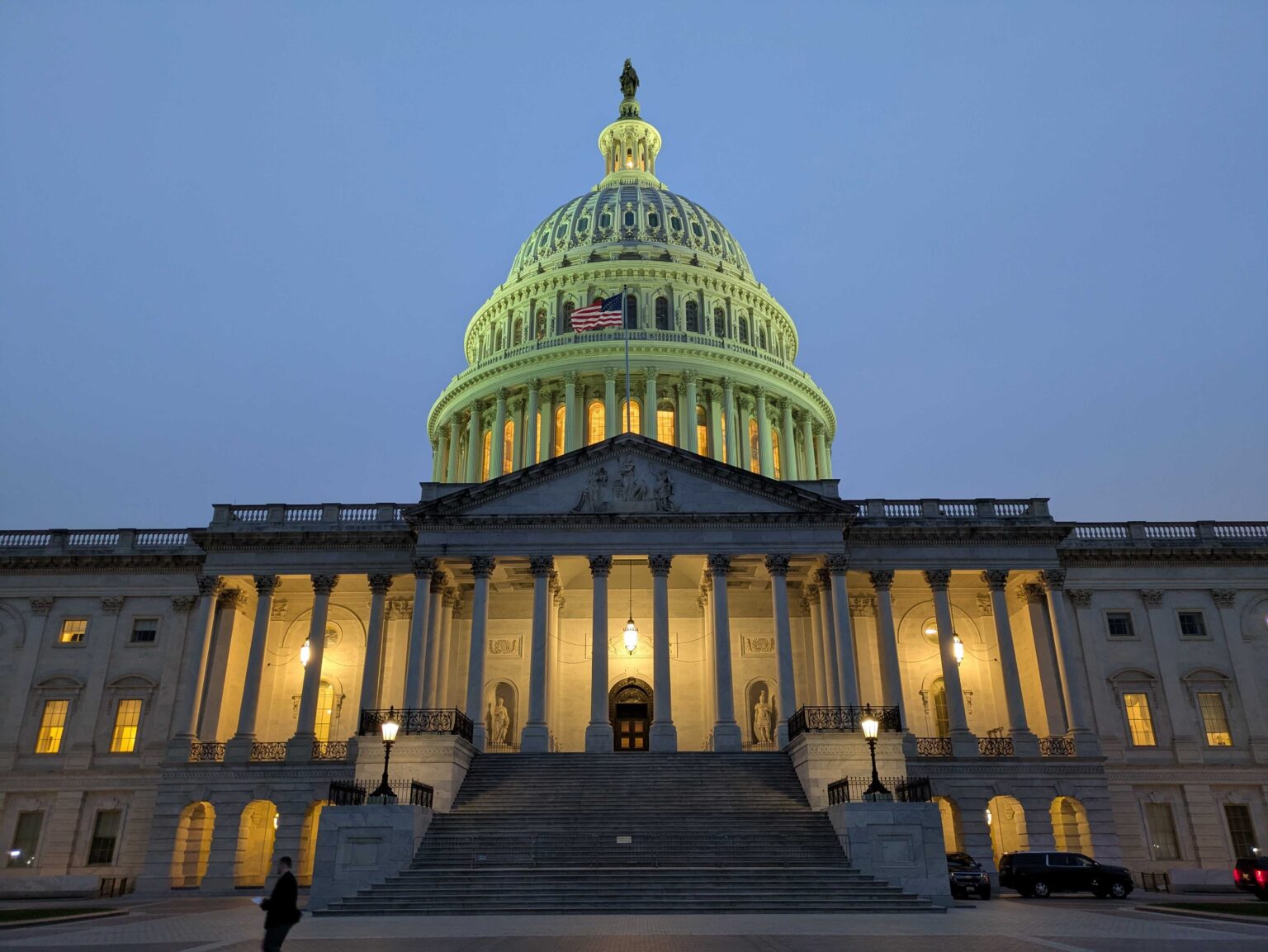
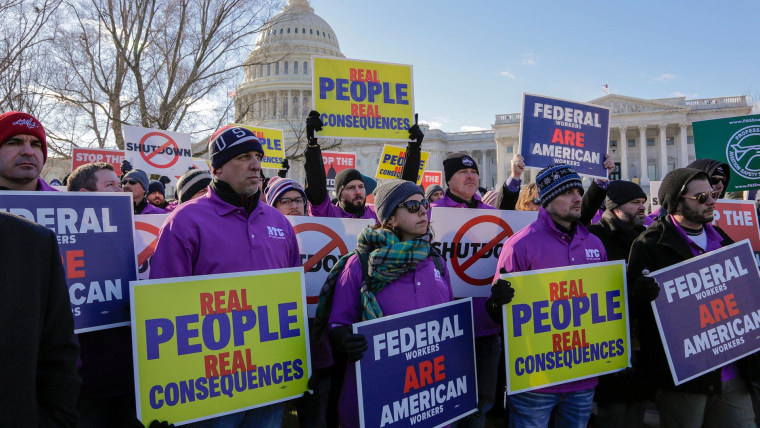
The federal government reopened on November 12, 2025, after forty-three days of being partly shuttered. It is a record no one in Washington is celebrating. What began quietly at midnight on October 1, when the fiscal year rolled over without a funding agreement, became a six-week standoff that tested the limits of the system and the patience of the public. Agencies stalled, airports strained, food assistance paused, and hundreds of thousands of federal employees went unpaid while Congress searched for a way out.
The solution finally surfaced in the form of a narrow 222–209 vote in the House. A few hours later, Donald Trump signed the legislation that brought the machinery of government back to life. The signature ended the immediate paralysis, but it didn’t settle the underlying fight. The compromise left out the extension of Affordable Care Act subsidies, a decision that millions of lower-income Americans will feel in their premiums long before lawmakers reconvene. Progressive members of Congress didn’t hide their frustration: opening the government without securing those supports felt, to them, like conceding ground that should never have been negotiable.
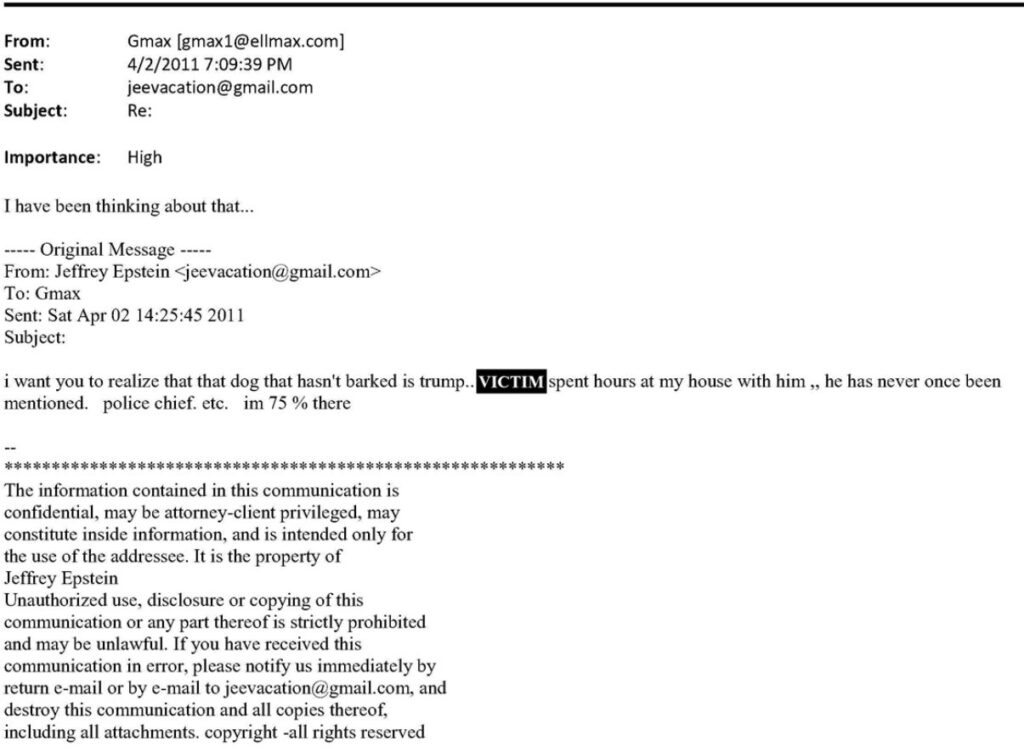
Then came another jolt. As federal workers prepared to return to their desks, newly released emails from the House Oversight Committee began circulating: internal messages from Jeffrey Epstein’s staff referencing Trump’s travel movements and alluding to victims spending long stretches of time at Epstein’s residence while Trump was present. The patterns were unsettling, the timing even more so. The White House denied everything, but the disclosures revived questions many believed had drifted out of the public spotlight. Suddenly, the end of the shutdown felt like the beginning of a different kind of storm, one that blended governance, scandal and credibility in a way Washington knows too well.
Shutdowns follow a familiar script. When Congress fails to pass appropriations bills, the federal government is legally compelled to halt all but its essential functions. October had already been crowded with temporary funding patches, each extending the deadline just far enough to postpone the inevitable. When the final resolution expired, there was nothing left to buffer the impact. The scale of the freeze was enormous: nearly 900,000 federal employees were furloughed, roughly two million more worked without pay, and key health and science agencies (including the NIH and CDC) had to suspend or sharply limit their operations. Economic ripple effects accumulated day by day as travel delays mounted, regulatory decisions stalled, and support programs lost continuity.
The political dispute behind the shutdown was less about total spending than about what that spending should include. Democrats wanted to extend the enhanced ACA subsidies that had brought premiums down for millions. Republicans insisted on passing a funding bill untouched by policy expansions. The gulf between those positions hardened quickly. Negotiations dragged through October, past the point where anyone inside Congress could plausibly claim that the shutdown would be short-lived. What should have been a budgeting exercise turned into a proxy battle over health care, government responsibilities and partisan leverage.
When the Senate finally approved a revised measure in early November, the House followed suit days later. The bill reopened agencies, guaranteed back pay for the furloughed workforce, and funded major departments through the next fall while giving others a shorter runway until January 30. The relief was immediate, but incomplete. Leaving the ACA subsidies out of the agreement pushed a high-stakes fight into the months ahead, creating the real possibility of another funding crisis once the temporary extension expires. Even some Republicans privately acknowledged that the deal felt less like a resolution and more like a pause between rounds.
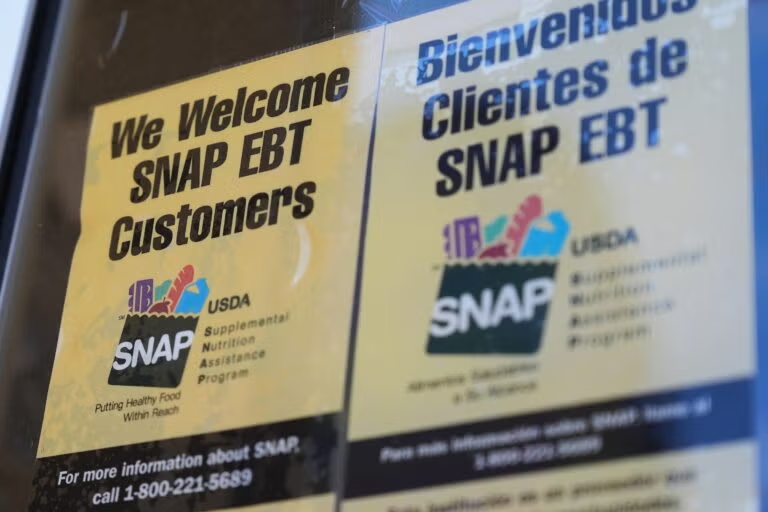
The consequences for ordinary Americans were more tangible. Families who rely on food assistance found themselves navigating temporary stoppages. Travelers ran into bottlenecks as air-traffic control staffing stretched thin. Small businesses waiting on federal approvals or guidance lost weeks they will not get back. Federal workers, living without paychecks for more than a month, leaned on savings, credit or family. Back pay helps, but it does not erase the strain. Public trust in federal institutions, already fragile, took another hit.
The health-care implications may prove longer-lasting. Without an extension of the enhanced ACA subsidies, premiums could rise sharply for the households who depend on them.
That risk is not theoretical; it is embedded in the current calendar. Democrats argue that reopening the government without securing those extensions exposes millions of people to financial and medical insecurity. Republicans counter that the debate should be handled separately from appropriations. Either way, the cliff is now visible on the horizon.
The reopening also throws into relief a deeper institutional tension. Each time Congress uses shutdowns as leverage, the norms that support stable governance erode a little further. The near-miss in the House, a vote decided by fewer than fifteen members, revealed how narrow the margin for basic functionality has become. Short-term deals may keep the lights on, but they also signal that another disruption is always possible. “Shutdown fatigue” is no longer a political talking point; it is a quiet sentiment among voters and workers who have become accustomed to uncertainty.
Then, layered on top of the budget fight, came the resurrection of the Epstein-Trump correspondence. The emails described Epstein’s staff tracking Trump’s flight patterns and mentioned specific individuals spending “hours at my house with him,” according to Epstein’s own words. Investigators and commentators were quick to underline that the existence of an email is not itself proof of wrongdoing, but its release broadens a conversation that has never fully gone away. The timing makes the scandal feel less like a side narrative and more like an orbiting force that will shape how the administration handles scrutiny and how voters absorb it.
The convergence of these issues (health care, governance, scandal, institutional trust) ensures that the next phase of this political season will be anything but quiet. The January funding deadline guarantees another round of bargaining. The ACA subsidy debate is poised to intensify. Federal workers, though relieved to return to work, may approach the next months with justified skepticism about whether their livelihoods are negotiable tools in larger ideological battles. And the Epstein disclosures, depending on how thoroughly they are pursued, could reshape the conversation around accountability at the highest levels of government.
Behind the noise lies a simpler question: what did this shutdown reveal about the country’s political capacity? At one level, it showed how brittle the system can be when the basic act of funding the government becomes a litmus test for competing visions of governance. At another, it highlighted how intertwined policy disputes have become with questions of character and credibility. A shutdown is supposed to be an aberration. Yet the United States now experiences them with a frequency that suggests they are settling into the fabric of political life.
There is, however, a narrow window for something constructive to emerge. A shutdown of this length may push lawmakers to consider reforms that would make future disruptions less likely: automatic continuing resolutions, earlier budget deadlines or changes to procedural thresholds. None of these ideas are new, but crises often move them from the abstract to the urgent. Whether Congress chooses to act will depend on whether this episode is seen as an unfortunate anomaly or a warning siren.
For now, the country sits in a tentative moment. Relief is tempered by unease. The government is open again, but the issues that closed it remain unresolved. Families watching their health-care costs cannot yet exhale. Federal workers returning to their offices may keep their emergency budgets close. Voters, bracing for another election cycle, will sift through competing narratives about who bears responsibility and who offers a steadier path forward.
The shutdown ended, but its effects linger in quieter ways, in the confidence people place in their institutions, in the expectations they hold for their leaders and in the sense of stability they feel at the edges of their daily lives. Washington can choose to treat these forty-three days as a minor chapter or as a mirror. How it responds now will help determine which it becomes.