
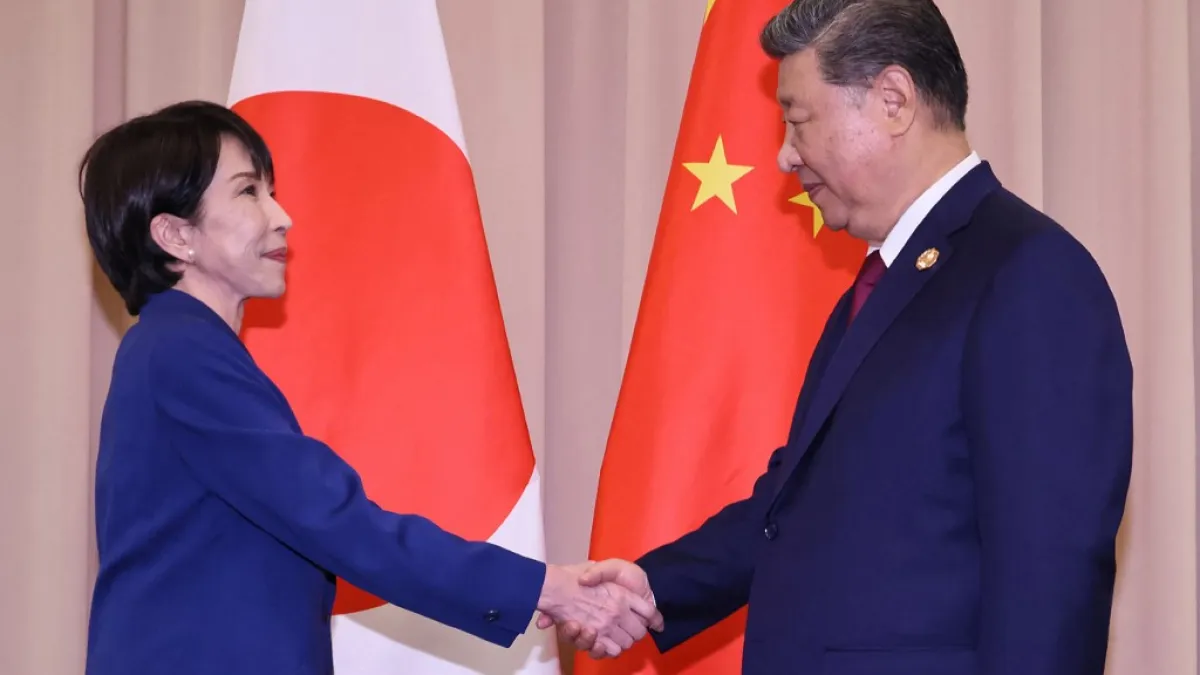
Japan’s request that China take “appropriate measures” after Beijing urged its citizens to avoid traveling to Japan may look like another routine diplomatic exchange. Yet the timing, the tone and the surrounding signals show something more consequential unfolding beneath the surface.
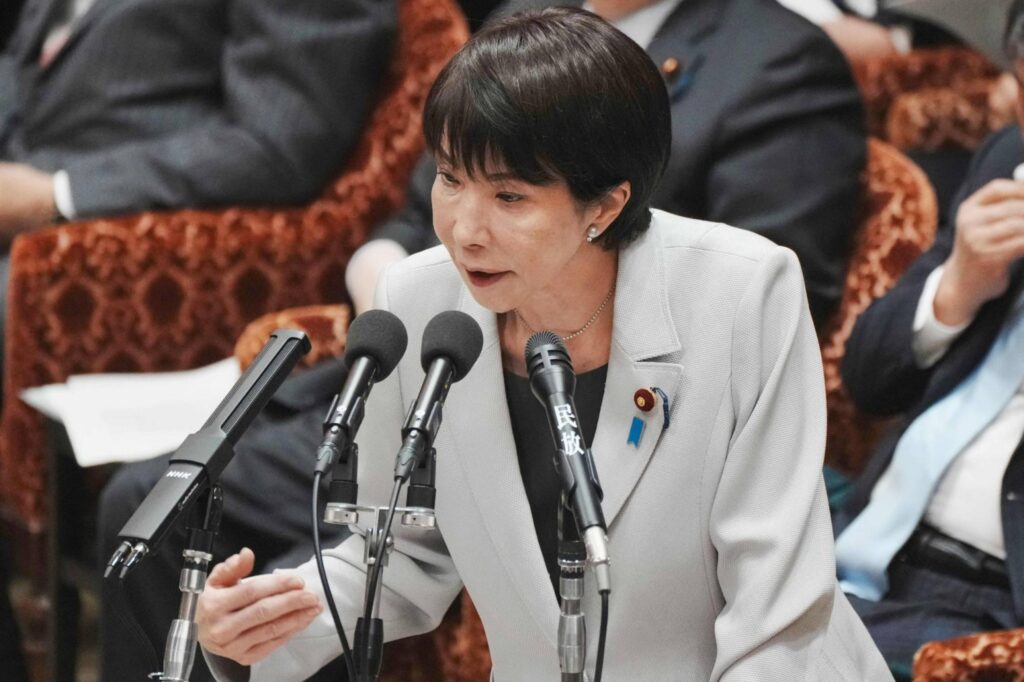
A dispute that began with a few sentences in parliament has widened into a test of regional stability at a moment when the Indo-Pacific already feels the weight of competing ambitions.
The immediate spark came from Prime Minister Sanae Takaichi, who told lawmakers that a Chinese military attack on Taiwan could create a “survival-threatening situation” for Japan itself. For decades Japanese leaders have spoken cautiously when addressing the possibility of conflict over Taiwan, preferring to imply concerns rather than state them outright. Takaichi’s remarks moved that line. By acknowledging publicly that a Taiwan contingency could compel Japan to consider a military response, she signaled a willingness to speak with a clarity that previous administrations avoided.
Beijing reacted swiftly. Within days, China warned its citizens to refrain from traveling to Japan, claiming that Takaichi’s comments had created risks for Chinese nationals.
Several major Chinese airlines offered free refunds or rebooking for anyone who had purchased tickets to Japan. It was an unmistakable message: if Japan adjusts its posture on Taiwan, China will respond not only through diplomatic channels but through economic and societal levers as well.
Japan then lodged a formal protest. Chief Cabinet Secretary Minoru Kihara confirmed that Tokyo had pressed Beijing to reconsider and emphasized the need to maintain communication despite clear differences. His words reflected a balance Japan is trying to sustain. On the one hand, Japan is more conscious than ever of its vulnerability to regional conflict and increasingly open about the implications of a Taiwan crisis. On the other, it depends heavily on economic ties with China, whose tourists, trade and investment hold real weight within Japan’s economy.
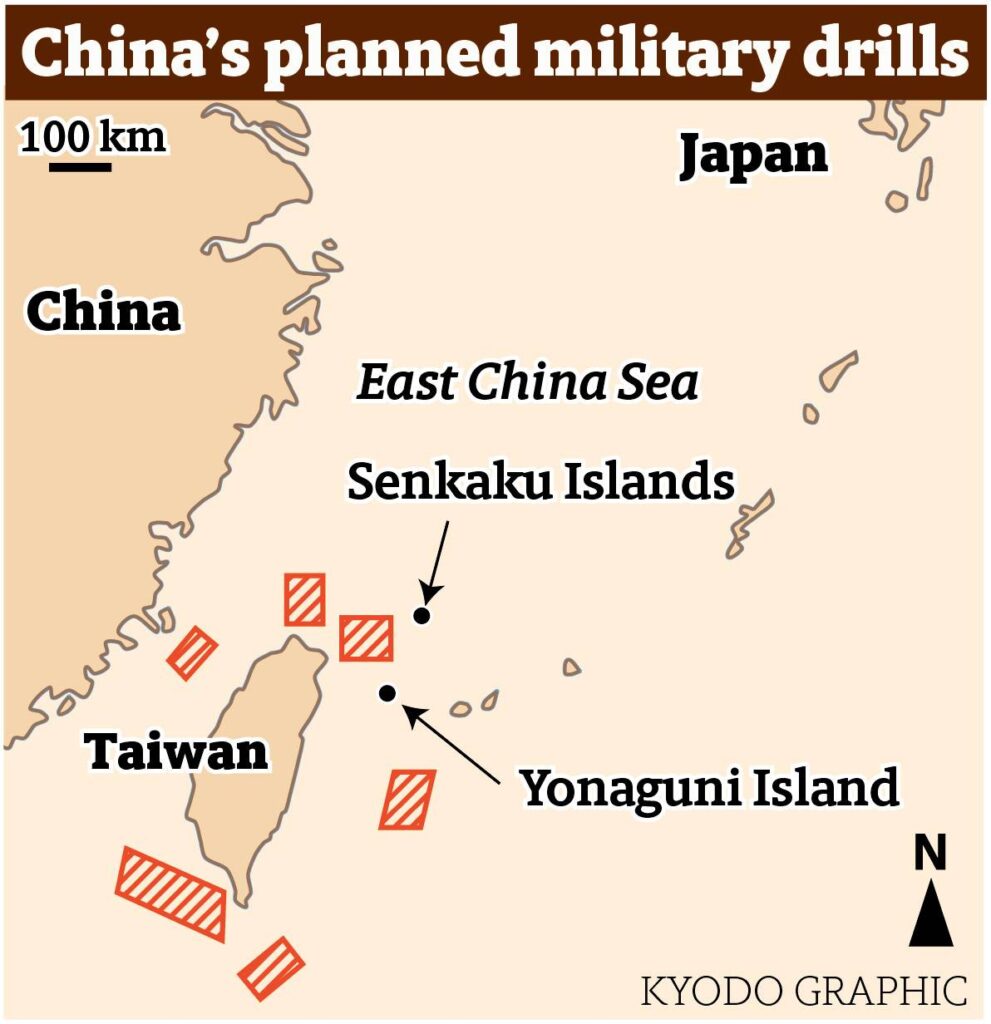
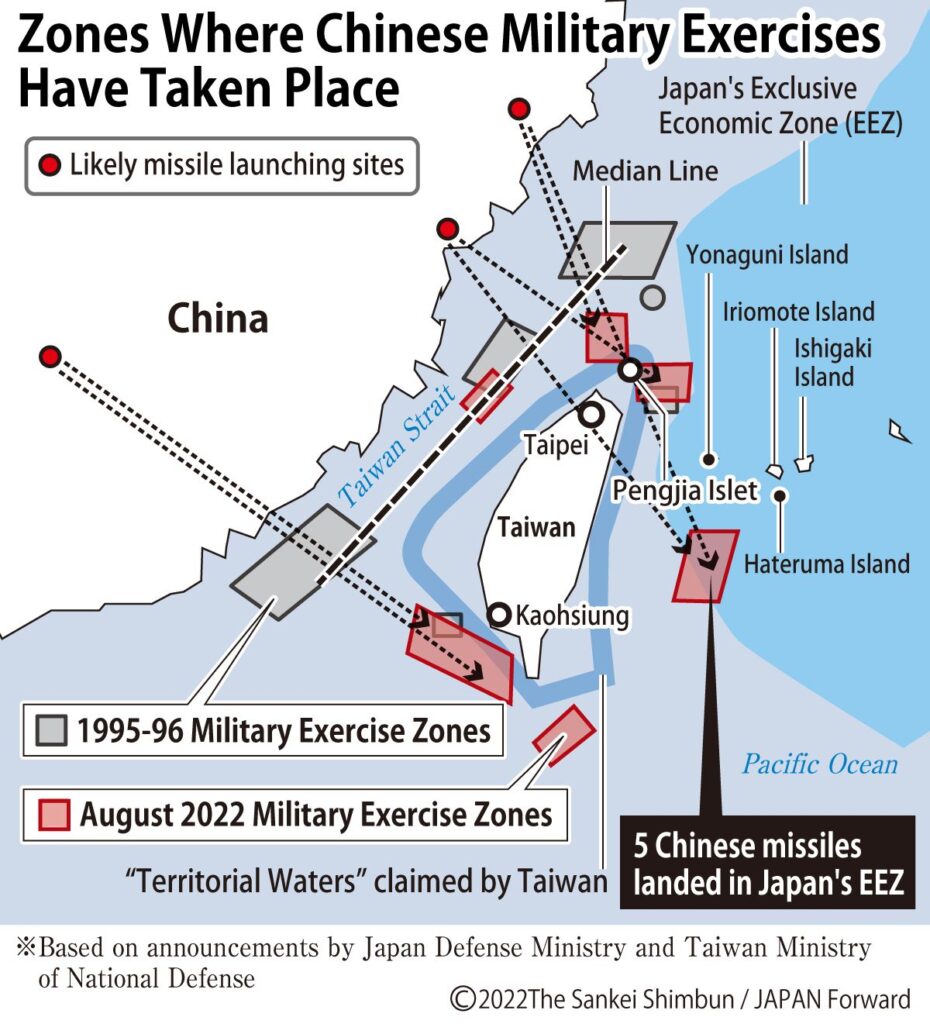
The significance of this dispute becomes clearer once the geography is considered. Taiwan lies just over a hundred kilometers from Japan’s southwestern islands. If a crisis were to erupt, Japan would not be a distant observer; it would be directly exposed. Its sea lanes, airspace and remote island communities would face immediate pressure. The United States maintains a major military presence on Japanese territory, which adds further complication; any conflict involving Taiwan almost certainly pulls Washington and Tokyo into a heightened state of coordination, whether Japan wishes it or not.
China has not hidden its anger at Takaichi’s remarks, but the travel advisory deserves a closer look.
Travel between the two countries is not simply about tourism; it is a form of soft diplomacy and economic interdependence that has helped steady the relationship even during politically tense years. By discouraging its citizens from visiting Japan, Beijing is signaling that it is willing to use softer tools of coercion to shape Japanese behavior. These measures fall short of formal sanctions yet send a message that China can escalate beyond words at minimal cost to itself.
The reaction also plays well domestically for Beijing. It allows Chinese leaders to say they are protecting citizens from external “provocations,” reinforcing a narrative that foreign criticism or strategic statements are threats to Chinese dignity or security. In this telling, the travel advisory is not punitive but defensive; a story that resonates easily inside China’s tightly managed information environment.
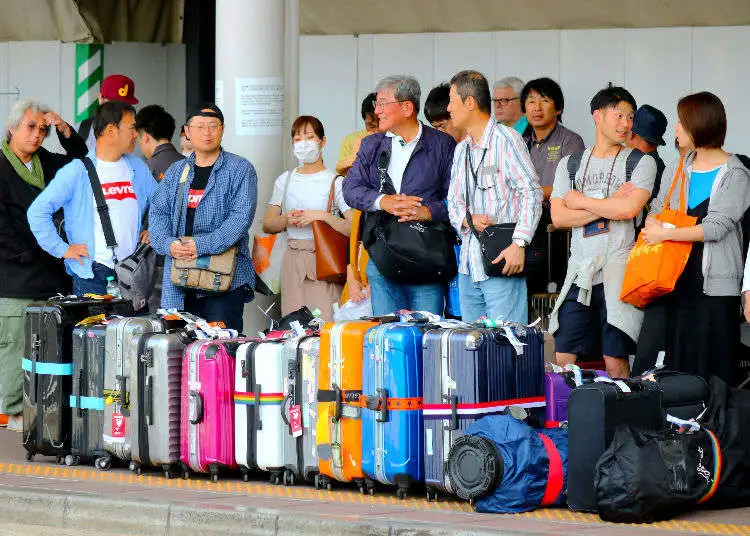
If the advisory were merely an isolated protest, it might not demand so much attention. But almost immediately after it was issued, Chinese authorities announced live-fire military exercises in the central Yellow Sea, restricting access to designated areas. This is a familiar pattern: economic and civilian measures on one side, military signaling on the other, both operating in parallel. Each move alone is modest; taken together, they suggest a country reminding its neighbors that it has a broad palette of tools for asserting pressure.
Japan now faces a complicated set of choices. Takaichi’s government likely knew her comments would provoke some reaction. They also represent a shift in Japanese political discourse; an acceptance that strategic ambiguity may no longer provide sufficient deterrence or clarity in an environment where China’s activities around Taiwan grow more assertive each year. But speaking honestly about the risks of a Taiwan crisis brings its own consequences. For Japan, there is currently no such thing as a purely theoretical statement about Taiwan. Every sentence is weighed by Beijing, parsed by Washington and measured against Japan’s own capabilities.
Complicating matters further is the simple reality that China remains Japan’s largest trading partner.
Any disruption to tourism or commerce risks ripple effects through Japanese businesses, local economies and consumer sectors. Japan may want to assert a firmer strategic voice, but it also must weigh how loudly that voice can carry without threatening its economic stability.
China’s travel advisory reveals another reality: the competition between these two countries is no longer confined to defense white papers and maritime patrols. It extends into civilian life, into the rhythms of travel and commerce, into the movement of ordinary people. The pressure is designed to be felt not only by governments but by industries, families and regions that depend on cross-border exchange. It’s a reminder that geopolitical rivalry increasingly plays out in areas where political leaders have less room to maneuver without domestic pushback.
Taiwan’s own response underscored this point. Officials there noted that China’s travel restrictions and its concurrent military drills draw attention to the underlying instability in the region. Taipei framed these moves as part of a pattern; one in which Beijing mixes political pressure, military provocations and economic levers to shape the environment in its favor. From Taiwan’s perspective, Japan’s willingness to speak more openly about its security concerns is a welcome development, a sign that Tokyo sees not only the geographic reality but the political trajectory in the region.
As tensions simmer, the situation illustrates how even minor diplomatic moves can carry larger strategic implications.
The travel advisory itself does not alter the military balance or the political frameworks that shape Taiwan’s future. What it does do is reveal the narrowing space for ambiguity. When Japan speaks about Taiwan in clearer terms, China responds. When China responds, Japan must decide whether to soften its position or stand by its words. And each of these choices reverberates through alliances, markets and public opinion.
Behind the scenes, officials in Tokyo will be calculating how much economic risk they can tolerate, how much military preparedness they need, and how to maintain stability in their own domestic politics. Takaichi’s government, early in its tenure, is already being tested on its ability to navigate pressure without appearing to retreat. If China continues to escalate gradually through more advisories, targeted economic measures or additional military drills, Japan may need to answer not only diplomatically but through shifts in policy, deployment or public communication.
Looking ahead, several questions remain unresolved. Will China expand its advisory into something more formal or long-lasting? Will Japan increase its cooperation with the U.S. in ways that further irritate Beijing? Will the current dispute fade, or will it become the first marker of a more openly adversarial chapter in the bilateral relationship?
For now, the immediate fallout is manageable. Flights continue, borders remain open, and communication lines between Tokyo and Beijing have not been severed. But the episode is a reminder that the status quo around Taiwan is not a stable equilibrium. It is a delicate structure held together by silence, caution and shared economic interests; and even that may no longer be enough.
What began as a single statement in Japan’s parliament has grown into something larger because the region itself is more brittle than it appears. In East Asia today, political shifts happen in degrees, and the space between a diplomatic gesture and a strategic crisis is narrower than most governments like to admit. Japan’s protest, China’s advisory, the military drills, the domestic reactions on all sides as these are small moves on a board where the stakes continue to rise.
And so the dispute over travel is not really about travel at all.
It is about two countries reassessing the boundaries of their relationship, a shifting sense of what can be said publicly, and a recognition that the future of Taiwan, once kept at the edges of diplomatic conversation, now sits near the center of regional stability. In that sense, the episode captures a moment in which East Asia is renegotiating its balance; quietly, tensely and in ways that may shape the years ahead.