
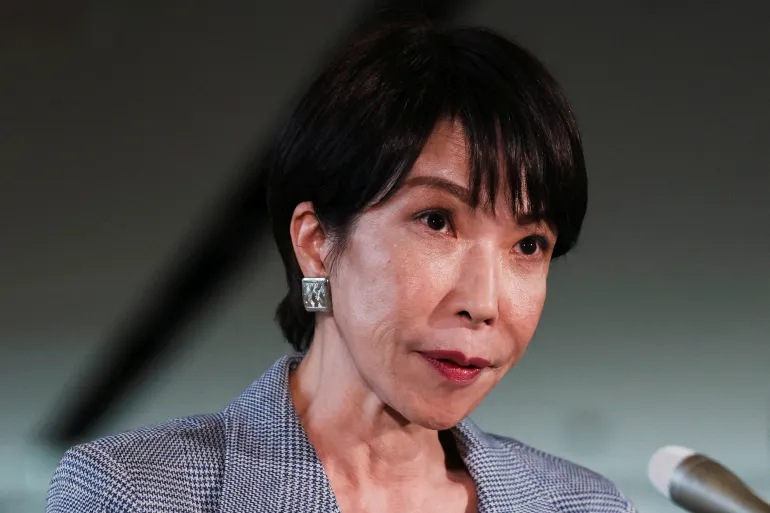
Japan and China traded sharp words at the United Nations this week after Beijing renewed its demand that Prime Minister Takaichi retract comments linking a potential Taiwan conflict to Japan’s national survival, turning what began as a domestic parliamentary remark into an international diplomatic confrontation.
China’s ambassador to the UN accused Japan of making “groundless” and provocative statements, while Japan countered that Beijing was misusing a multilateral forum to advance a unilateral political narrative.
The dispute stems from remarks Takaichi made during a Diet session last month, when she said that a Taiwan emergency involving the use of force could, under certain conditions, qualify as a “survival-threatening situation” for Japan under its security laws.
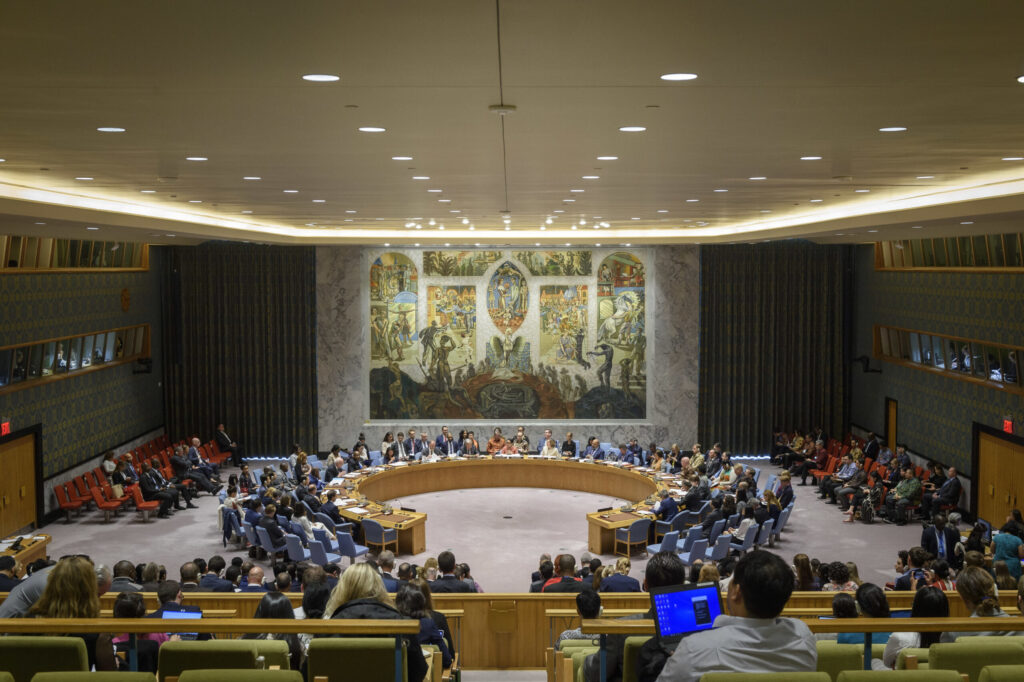
Beijing has interpreted that framing as a step toward legitimizing Japanese involvement in a Taiwan contingency, something China sees as an unacceptable challenge to its sovereignty claims. China’s permanent representative to the UN, Fu Cong, told the Security Council that Takaichi’s statement constituted rude interference in China’s internal affairs and reiterated Beijing’s position that Taiwan is an inseparable part of Chinese territory.

Fu has now sent two formal letters to UN Secretary-General António Guterres demanding that the remark be withdrawn, signaling that China intends to keep the issue alive beyond bilateral channels. His comments at the Security Council, however, came during a session focused on unrelated institutional matters, including discussions surrounding the future leadership of the United Nations.
Japan’s ambassador, Yamazaki Kazuyuki, objected strongly, saying China’s intervention was inappropriate, irrelevant to the agenda, and designed to sow division among member states rather than contribute to constructive dialogue.
China’s representative then took the floor again to repeat his criticism, underscoring Beijing’s sensitivity to any language that implies internationalization of the Taiwan issue.
Yamazaki responded by urging fellow UN members to judge Japan by its actions over the past eight decades, emphasizing Japan’s postwar record as a peaceful state and reiterating that Tokyo would continue to respond calmly and through dialogue. He sought understanding for Japan’s position, framing it as defensive and grounded in legal interpretation rather than provocation.
The exchange highlights how Taiwan has become a pressure point not only in regional security planning but also in global diplomatic arenas. For China, even hypothetical language about Japan’s response to a Taiwan crisis is treated as a challenge to core interests. For Japan, the episode reflects a growing effort to signal preparedness without explicitly crossing Beijing’s red lines. As both sides harden their messaging, forums like the UN are increasingly becoming stages for symbolic confrontation, rather than neutral ground for de-escalation.

From a JUSW perspective, the UN exchange over Sanae Takaichi’s Taiwan remark reflects a broader shift in how the Taiwan issue is being contested globally rather than a single diplomatic spat. Japan is attempting to signal legal preparedness for a Taiwan contingency without openly challenging China, but Beijing now treats even cautious ambiguity as intent, responding forcefully to shut down language that frames Taiwan as an international security concern. China’s decision to elevate a domestic Japanese comment to the UN stage shows growing anxiety over narrative erosion and a willingness to use multilateral forums to police how Taiwan is discussed. For the wider world, the episode illustrates how great-power rivalry is increasingly waged through rhetoric and institutional pressure, turning forums meant for consensus into arenas of symbolic confrontation where even measured statements carry geopolitical weight.