
Japan and China have been here before, circling each other with wary eyes and long memories, but the latest collision over Taiwan has a sharper edge than usual.
What began as a statement in a parliamentary chamber has spilled into social media threats, sweeping trade retaliation, diplomatic summonses, and a kind of cultural cold war touching everything from seafood to student travel. The political temperature between the two largest economies in East Asia is rising, and everyone caught between them is finding new ways to signal where they stand. Taiwan’s president is one of them.
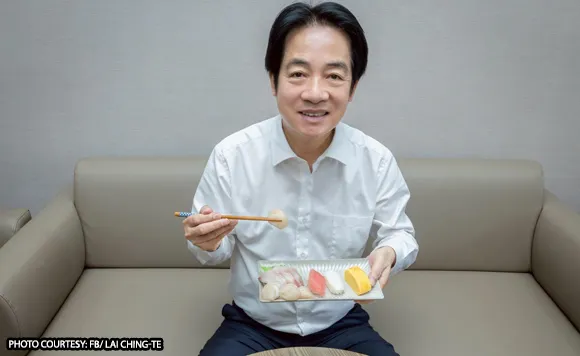
Lai Ching-te’s quiet lunchtime photo, sushi and miso soup posted in both Japanese and Chinese, looks innocuous at first glance, but the moment it appeared, the symbolism was unmistakable.
The yellowtail came from Kagoshima, the scallops from Hokkaido, both regions now ensnared in Beijing’s newest round of restrictions. It was a message pitched through the soft language of taste and culture: Taiwan sees Japan under pressure, and it intends to stand beside it.
Lai’s gesture came only hours after China informed Japan it was effectively reinstating a sweeping ban on all Japanese seafood. The stated reason was concern about Japan’s screening procedures, essentially an echo of Beijing’s long-standing objections to treated wastewater released from the Fukushima plant. But in Tokyo and Taipei, few doubt the real cause. The trigger, as Japanese officials describe it, was Prime Minister Sanae Takaichi’s appearance in parliament earlier this month, where she said that a Chinese blockade or attack on Taiwan could constitute a “survival-threatening situation” for Japan. That phrase carries legal weight. Under Japan’s postwar security laws, such a scenario opens the door to collective self-defense. For Beijing, it crossed a line. Within days, diplomats were firing warnings, state media sharpened its tone, and China’s UN ambassador submitted a formal letter condemning Japan for “aggression.”
For Japan’s government, the issue is not simply a dispute over phrasing. Tokyo has long treated Taiwan’s security as intimately tied to its own, especially as Chinese naval and air incursions near the Sakishima and Nansei island chains have become more frequent. Takaichi’s words, while blunter than her predecessors’, reflected an underlying consensus already settled among defense planners: that any conflict over Taiwan will reach Japan’s shores, perhaps literally. Still, bluntness carries consequences. Beijing demanded a retraction. Takaichi refused. What followed has unfolded as a carefully staged sequence of political punishment.
The seafood ban is the most visible economic blow. China had partially eased its earlier Fukushima-related restrictions earlier this year, allowing imports from most Japanese prefectures. Nearly 700 Japanese exporters had already applied for re-registration, hoping to regain access to a market that once absorbed more than a fifth of Japan’s seafood exports. Now that reopening has been slammed shut. Only three companies had received approval before China reversed course. The rest must watch their long-awaited return evaporate. For fishing towns in Hokkaido and the Tohoku region, China’s market is not easily replaced. Scallops, sea cucumbers, and high-grade yellowtail depend heavily on Chinese buyers. Many of the companies preparing to resume shipments had already invested in facilities and logistics tailored to Chinese demand. The economic sting is real.
Tourism has quickly become the second front. China’s foreign ministry urged citizens to avoid travel to Japan, citing “security concerns.” Chinese airlines began offering refunds and free changes on Japan-bound flights until the end of the year. Analysts estimate that roughly half a million tickets have already been canceled. Tourism represents around 7 percent of Japan’s GDP, and Chinese travelers are historically among the biggest spenders, filling hotels in Hokkaido during winter holidays, crowding shopping districts in Osaka, and driving regional economies starved for visitors during the pandemic years. Japanese officials did not hide their concern. With fewer than 12 months on the job, Takaichi faces a fragile economy, a weak yen, and a public keenly aware of rising prices. A sudden drop-off in tourists complicates every policy choice ahead.
Beijing has widened the pressure in quieter, informal ways. Chinese employees at a major state-owned bank reported being told that requests to travel to Japan would not be approved for the foreseeable future. A joint academic meeting scheduled in Beijing was postponed. Film screenings and entertainment events tied to Japanese artists were canceled. Even Japanese pop stars popular in China began posting supportive messages for Beijing, an unmistakable sign of the social pressure that can spread through China’s online public sphere when politics turn tense. In Guangzhou, a Japanese boy band canceled its fan meeting, citing force majeure. In Shanghai, Japanese comedians scheduled to perform withdrew. What might have seemed peripheral, cultural exchange, entertainment, tourism, has become part of the diplomatic battlefield.
The mood has unnerved plenty of people who remember 2012, when a flare-up over the Senkaku/Diaoyu Islands sparked violent protests, boycotts of Japanese goods, and significant damage to Japanese businesses in China. This time, both governments appear determined to prevent a slide into outright disorder, but neither seems willing to give ground. The Chinese coast guard has stepped up its patrols around the disputed islands, prompting Japan to lodge formal protests after one fleet of Chinese vessels entered Japanese territorial waters. Within both capitals, the symbolic value of the islands has begun to overshadow their immediate strategic significance. Each sees the other’s movements as part of a deeper pattern, running through Taiwan’s future, regional influence, and the credibility of their national narratives.
The political temperature has also found its way into more personal exchanges between diplomats. China’s consul general in Osaka, Xue Jian, posted a message on X (formerly Twitter) criticizing Takaichi’s remarks in incendiary terms, even suggesting that Japan’s neck “would be cut off.” The post was deleted, but not before igniting outrage across Japan. Tokyo summoned Chinese officials, calling the language unacceptable. Beijing countered that Xue was speaking in a personal capacity. Japan’s foreign ministry demanded deletion; it eventually arrived, but with little sense that the underlying tension had eased. Tokyo’s internal debates shifted briefly to whether Xue should be expelled. Beijing responded by warning that if Japan interfered militarily in Taiwan, it would face a “devastating defeat.” In a matter of days, the diplomatic frictions had taken on the heat of a much larger conflict.
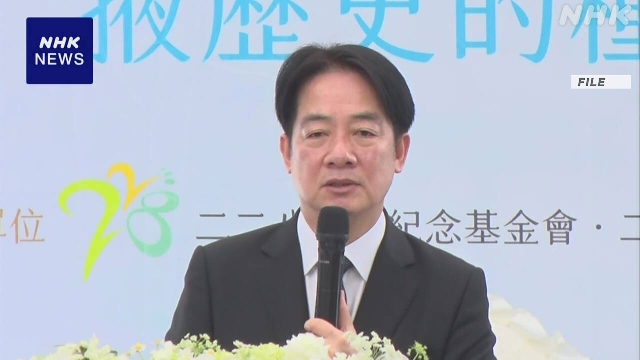
Taiwan, watching from across the strait, has understood how deeply these tensions cut, and the political instinct in Taipei now mirrors that recognition. Foreign Minister Lin Chia-lung urged Taiwanese citizens to buy more Japanese products and travel to Japan as a show of support for Takaichi. He argued that China’s “intimidation” aims to isolate Tokyo and Taipei simultaneously, economically, rhetorically, and militarily. For Taiwan’s ruling Democratic Progressive Party, which already views Japan as one of its closest partners, this moment demanded a public demonstration of solidarity. Lai’s sushi photo was not simply a culinary note; it was a subtle political declaration that Taiwan will not step back from Japan, even as China tries to separate them.
The response from ordinary Taiwanese consumers has been enthusiastic. Travel agencies reported spikes in inquiries about winter and early-spring trips to Japan. Online forums filled with discussions about supporting Japanese seafood shops, local izakaya, and convenience stores that sell imports from Hokkaido and Kyushu. In a region where political support is often voiced carefully, the DPP seems ready to frame the episode as an opportunity to strengthen cultural and economic ties with Japan rather than retreat in the face of pressure.
The trajectory of this dispute reflects wider anxieties across the Indo-Pacific. China’s leaders believe that Japan’s shift toward a more assertive security posture, particularly under Takaichi, must be confronted, or at least discouraged, before it becomes normalized. Japan, meanwhile, sees China’s economic and military actions as attempts to pressure democracies into self-censorship.
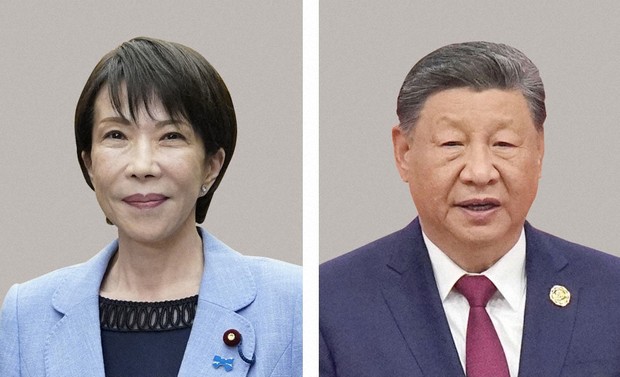
Both sides are moving along paths shaped by domestic politics. Beijing cannot afford to appear weak on Taiwan, particularly as it confronts an economy under strain and a public sensitive to signs of national humiliation. Tokyo, after years of debate, is embracing a strategic posture more aligned with its concerns about missile deployments, cyberattacks, and regional blockades. The space between them is narrowing.
The economic retaliation, however, is not without cost for China. The seafood ban deprives Chinese importers and consumers of Japanese products that enjoy widespread popularity. The sudden refusal to approve travel to Japan disrupts the plans of families, students, and businesspeople. Yet Beijing appears willing to absorb these costs if the political payoff feels worthwhile. The deeper question, one that both governments will eventually have to confront, is whether cycles of retaliation now risk becoming the default setting for bilateral relations. Each new incident seems to reach into the economic and social spheres faster than before, almost as if the infrastructure of interdependence that once linked the two economies has become a network through which tension moves with ease.
In this sense, Lai’s modest lunch table sends a quiet message about the erosion of ordinary gestures between nations. A piece of yellowtail becomes a symbol of alignment. A bowl of miso soup becomes a statement about the direction of Asia’s strategic future. Food culture, travel patterns, and entertainment events, things once untouched by geopolitics, are now being reshaped by it. The deeper worry is that normalization of these symbolic battles creates an environment where strategic miscalculations grow more likely. If politics reaches into everything, everything begins to look like politics.
Japan has yet to signal any intention of softening its position. Officials maintain that Takaichi’s comments were consistent with Japan’s national strategy. They insist that security concerns in the Taiwan Strait are inseparable from Japan’s own vulnerabilities. That point, once controversial, now sits closer to the political center in Tokyo. Opposition parties criticize the prime minister for provoking a backlash, but even among Japan’s moderate lawmakers, the belief that the country needs to thicken its deterrence posture is no longer disputed. China’s retaliation may, paradoxically, strengthen that consensus.
Political weather changes quickly, but strategic shifts rarely reverse themselves. China’s sweeping measures may calm in the short term, especially if both sides find discreet ways to manage diplomatic friction. Yet the underlying problem remains: neither Beijing nor Tokyo sees much room for compromise on Taiwan. And when the issue at the heart of a dispute cannot bend, pressure tends to spill into other areas, looking for release. This episode, stretching from seafood to tourism to online posts and UN letters, is one more sign that Asia’s uneasy balance is entering a new phase, one where symbolic gestures hold as much weight as formal policy.
For now, Lai’s sushi photo stands as a snapshot of a moment when a regional dispute filtered down to the level of human choice. A leader sat for lunch, raised his phone, and offered a small expression of support for a neighboring democracy under pressure. In a quieter time, it might have passed unnoticed.
Today it reads like a reminder that even small acts can carry political force when larger forces are shifting. The region is moving in a direction that demands attention, steadiness, and a clear sense of what each gesture, however ordinary, now represents.