
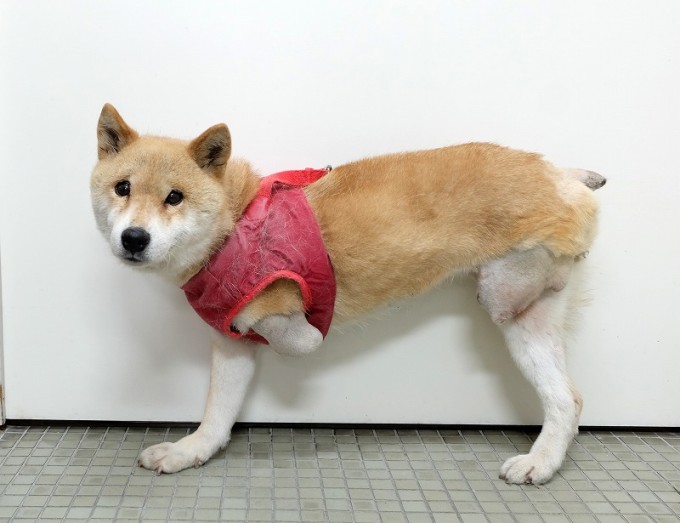
“Hang in there, Sumire!” is the message echoing across Japan and beyond for a small Shiba Inu who has already survived more heartbreak than most dogs ever will. Sumire, believed to be around seven years old, now lives in Gunma Prefecture, but her life has taken turns so brutal and unexpected that her story has become a symbol of both resilience and the fragile responsibility humans hold over the animals they choose to love.
Sumire was once a stray, rescued in Takasaki City and later taken in by a local animal welfare group. In March of that year, she was adopted at an official shelter event by a woman from Maebashi. The organization followed strict protocols for adoption, screening age, lifestyle, living environment, and even conducting interviews and home visits. The woman passed every requirement, and her daughter and father had also joined pre-adoption meetings, showing enthusiasm and willingness to care for the little Shiba. With those assurances, Sumire was welcomed into what everyone hoped would be her forever home.
Barely a month later, everything unraveled. In early April, Sumire was struck by a train on the Jōmō Railway line in Maebashi. The accident severed her left front leg, left hind leg, and even her tail. She survived, but only to face an even more heartbreaking ordeal: her owner refused to care for her. “I already have a human family member who requires nursing care. I can’t possibly care for a disabled dog on top of that,” she said when contacted. Instead of pursuing treatment, she had left Sumire at a veterinary clinic far from her home and told the animal welfare group that the vet recommended amputation, that surgery was uncertain, and that the dog’s future would require too much nursing. In short, she had given up.
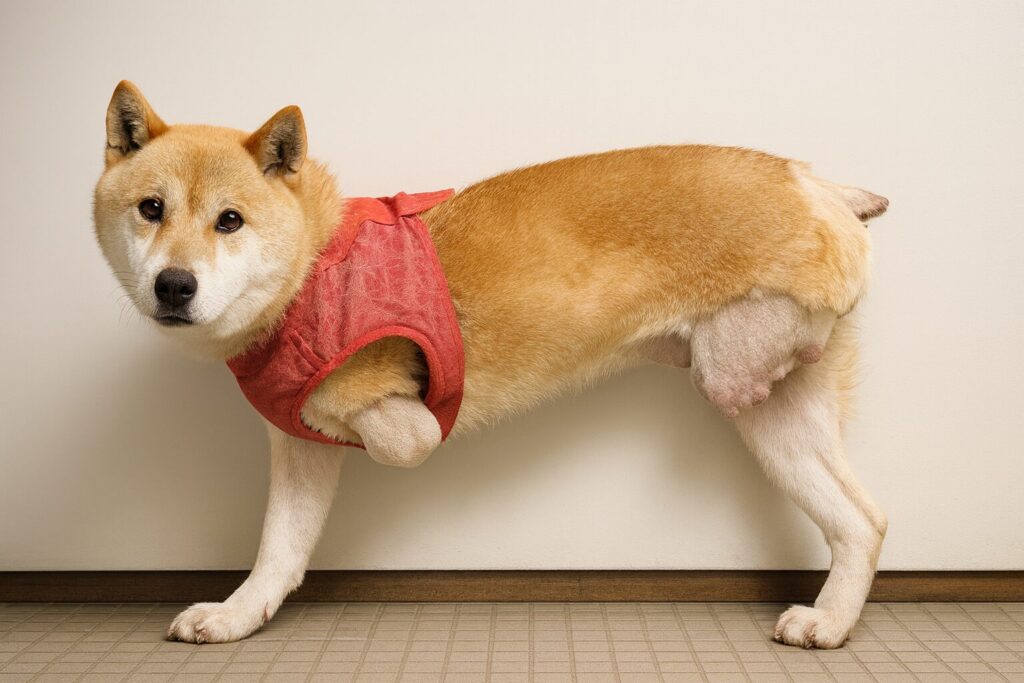
The accident had already happened two days earlier, on April 9. Sumire had been picked up in critical condition by the Maebashi East Police Station. She was wearing her collar and tags, and she had a microchip, but because the accident occurred on a weekend, city offices were closed and her registered information could not be checked. For two days she was placed outside the station building in a cage as a “lost item,” the legal classification for stray animals in Japan. Officers gave her water and checked on her, but to avoid the risk of vomiting, they withheld food. It was no one’s malicious intent; simply a tragic combination of timing and a system that still varies widely depending on the local municipality.
When volunteer staff member Ms. Chizuru Hoshino learned of the accident on the night of April 11, she immediately called the owner. Instead of concern, she was met with avoidance. The woman repeated that she could not take care of the dog, that she believed euthanasia might be necessary, and soon after, she stopped answering calls altogether. Two days had passed with no treatment. Infection had already begun to set in.
By then, the animal welfare group’s director, Ms. Yukiko Iida, stepped in. She realized that unless they took formal custody, they could do nothing. She contacted the owner directly, stating clearly that if the woman gave up ownership, the group would take responsibility and provide the necessary medical care. The owner agreed, but only with cold detachment. According to the group, she had allegedly broken the original adoption pledge by having a relative care for the dog instead of keeping her at her own home. Even when faced with Sumire’s severe injuries, she said she would give up ownership but would not provide money or support, asking whether the group would handle “everything” from here onward.
There was no time to argue. The welfare team rushed to the clinic, where the veterinarian handed Sumire over through a back entrance. The staff explained they had administered nutritional supplements and antibiotics, but what the volunteers saw next left them shaken. Her fur was matted with dried blood, and from the torn flesh of her crushed limbs, thin strips of skin hung like frayed lace. Worse still, the untreated wounds had become infested with maggots, spilling from her body as Ms. Hoshino lifted her into her arms. The smell, the sight, the thought of what she had endured in silence was almost unbearable.
The veterinarian, embarrassed, apologized softly. “If we were going to perform the surgery here, of course we would have cleaned everything properly…” he said, but the volunteers were already on their way to a trusted veterinary hospital in Takasaki, desperate to give Sumire a chance.
What happened next could only be described as a miracle stitched together by the hands of people who refused to give up on her. Surgeons operated, cleaned the wounds, removed the decayed tissue, and started her on intensive care. Through their dedication, and through Sumire’s own stubborn will to live, her eyes, which had been dull and exhausted, slowly began to shine again. According to her veterinarian, one strange stroke of luck had saved her life: because the train had crushed the limbs rather than slicing them cleanly, the bleeding had been somewhat contained. A clean cut might have caused her to die from massive blood loss on the spot.
Within a few days, the swelling in her wounds went down. With the help of a harness, she could even stand briefly. Volunteers took shifts caring for her around the clock, feeding her, cleaning her, and keeping her comfortable. She was placed into the home of a foster caregiver, where she now receives the daily nursing and encouragement she needs.
What amazed everyone, though, was not only her recovery, but her spirit. Even after losing both a front and back leg, even without her tail, she tried to stand on her own. She tried to move. She pushed through pain with a quiet determination that humbled every human around her. “If it were me,” Ms. Hoshino said, “I would probably sink into despair. I would complain. But Sumire never gives up. She always looks forward. It’s as if she refuses to let the accident define her.”
Her courage did not stay a secret. When volunteers created an online page called “Team Sumire” to cheer her on, messages of support poured in from across Japan. Some came with donations. Some came from overseas. People wrote that her determination gave them strength, that they were moved to tears by her fight to live. “She’s an incredible dog,” Ms. Hoshino said. “She turns strangers into allies just by continuing to exist.”
The plan for her future is simple and hopeful: rehabilitation, healing, and eventually a mobility aid such as a wheelchair or prosthetics. Volunteers are searching for a soft, lightweight harness that won’t strain her smaller frame, and they welcome information from anyone who knows of appropriate designs. For now, Sumire rests, heals, and learns to navigate her new life with the same quiet bravery she has shown since day one.
But her story does not end here. The welfare group emphasizes that the true goal is for Sumire to find a loving, dependable forever family, one who will honor her life rather than abandon it. They admit with regret that she was once entrusted to the wrong person, despite all their careful screening. They promise not to make that mistake again.
Sumire’s survival is fortunate, but the accident should never have happened. It has become a stark reminder that irresponsibly keeping a dog, then discarding it when life becomes inconvenient, can cause irreversible harm. The group now intends to redouble its efforts to educate the public about responsible pet ownership and the value of every life. The work can be emotionally grueling, they say, but as long as they keep moving forward with resilience, just as Sumire does, they will continue.
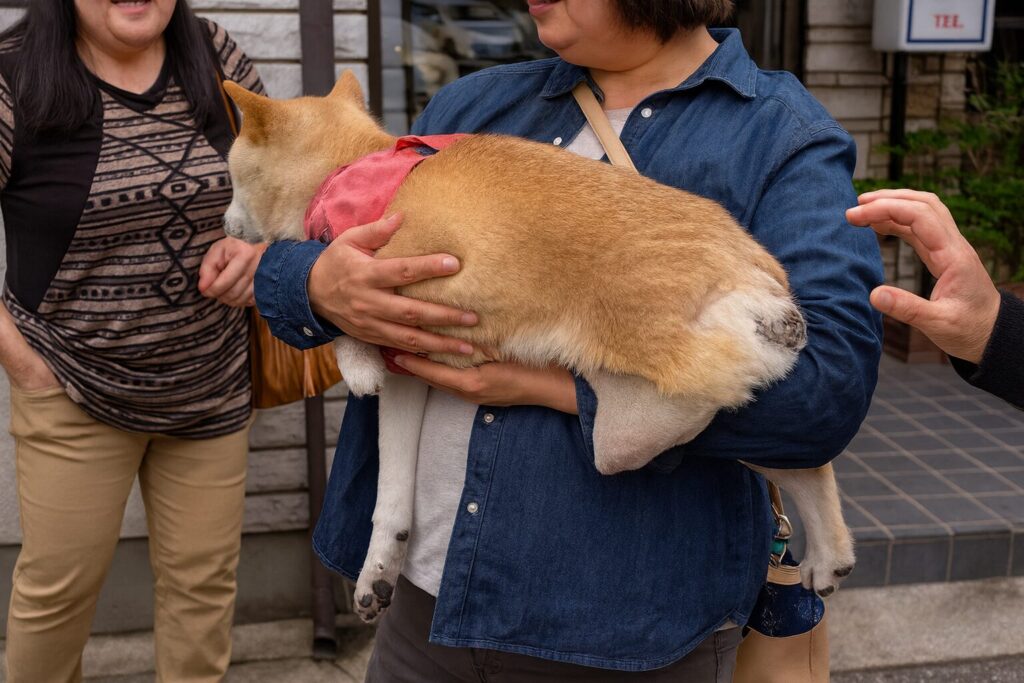
Her story is still unfolding, written each day by the people helping her heal and by the little Shiba Inu who refuses to stop trying.