
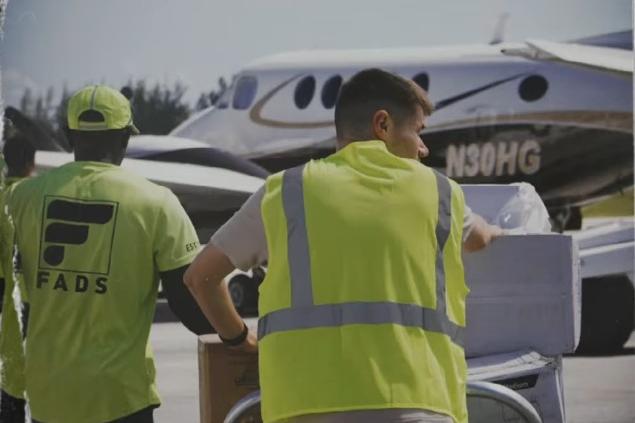
When the Beechcraft King Air rose from Fort Lauderdale Executive Airport that morning, it carried more than boxes of aid bound for Jamaica. Inside the small twin-engine plane was a quiet faith: the belief that small acts of help, even against vast destruction, still matter. The sky was clear, the air still. Below, Florida had already begun to move past the storms that had torn through the region, but to the south the Caribbean was still reeling from Hurricane Melissa. The storm, a Category 5, had left homes roofless, hospitals flooded, and whole parishes cut off from roads and power. This flight was part of the slow stitching back together of a region’s torn fabric.
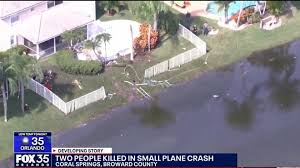
Minutes after takeoff, that hope fell into a pond in Coral Springs.
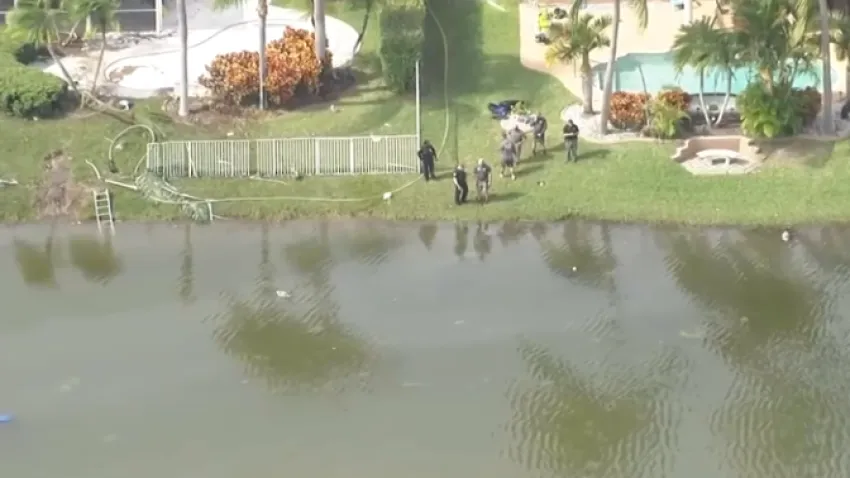
At first, the noise was strange with a sharp whir, a strain of engines, and then silence. Neighbors along the tidy lanes of the Windsor Bay community looked up from breakfast tables and lawns. Some thought it was thunder. Others guessed construction nearby. Then came the flash of silver and the sudden, heavy splash. Water burst upward, scattering fragments of metal and palm fronds across the yards. A smell of fuel drifted through the humid air. Within moments, fences cracked, trees snapped, and a piece of landing gear landed beside a backyard pool.
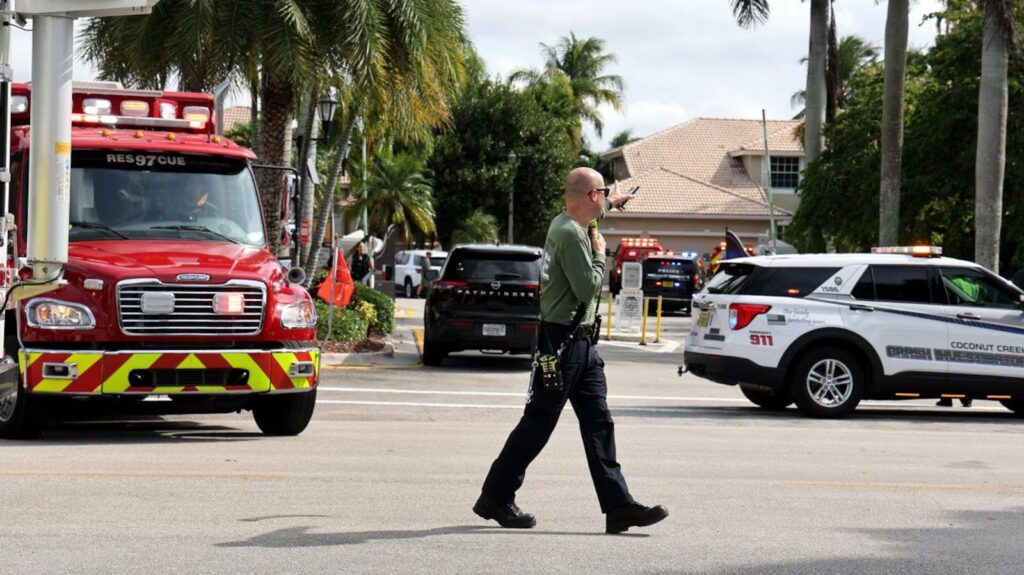
By the time the first sirens arrived, the calm rhythm of the suburb had broken. Firefighters and police fanned out along the pond’s edge, marking off the site as divers slipped into the water. The aircraft had gone down at around 10:14 a.m., only minutes after departing Fort Lauderdale. Onboard were two people: a father and daughter, flying a humanitarian route they had taken before. Witnesses stood behind police tape, hands to their faces, watching the divers trace a trail of debris beneath the surface. By early afternoon, officials confirmed both had died. The Federal Aviation Administration and the National Transportation Safety Board took over the scene, the smell of jet fuel still heavy over the water.
For those who lived nearby, what lingered was how narrowly the tragedy missed becoming worse. The plane had passed only yards above rooftops before plunging into the pond. Palm trunks bent in the blast of wind, but no home caught fire. No one on the ground was hurt. In the arithmetic of catastrophe, that small mercy mattered.
Coral Springs is the kind of place where days tend to look alike: a well-kept suburb northwest of Fort Lauderdale, its streets lined with bikes, sprinklers, and hibiscus. To see it transformed into a scene of wreckage felt unreal. “It was like the sky suddenly turned dangerous,” one resident told local reporters. “You realize how fragile normal life really is.”
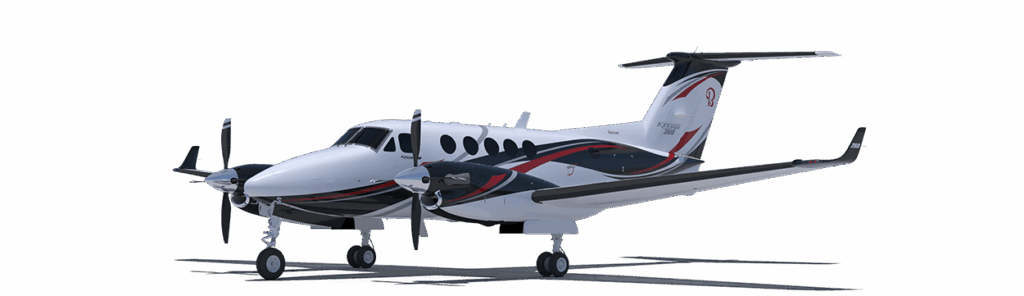
The Beechcraft King Air itself was a 1976 model, an older but respected turboprop known for its endurance and range. Registered to International Air Services, it had long served short-range flights carrying light cargo and humanitarian supplies. Its appeal lay in versatility: the ability to land on short runways, to reach rural airfields, to operate where jetliners could not. For communities cut off by floods or storms, these aircraft often mean survival. But their strength is also their vulnerability. They depend on precise maintenance, experienced crews, and margins thinner than those of commercial fleets.
Humanitarian missions rarely have the comfort of large budgets or extended maintenance windows. Crews often fly multiple legs with little rest, pushed by urgency and empathy. The supplies aboard this particular flight, medical kits, sanitation goods, water purifiers, were bound for Jamaican towns still without electricity. With roads blocked and ports still clearing debris, small aircraft had become lifelines between aid centers in Florida and isolated communities in the Caribbean.
The pilots knew the route, and they knew the weather patterns that trail a passing hurricane. Yet something failed.
Investigators have found no sign of severe weather that morning, only minor crosswinds typical of the Atlantic coast. Mechanical or control malfunction remains under review. The NTSB will analyze flight data once the black box is recovered. Each aviation accident becomes a map of converging errors: a series of ordinary decisions that, when lined up wrong, form a straight path to disaster.
What complicates this tragedy is intent. Humanitarian flights are not commercial ventures. They carry no passengers to deliver profits, no cargo to generate returns. Their cargo is moral rather than financial, and that makes every risk seem worth taking. The Coral Springs crash, seen this way, is not just the failure of a machine but the intersection of human resolve and fragility: how good will and exhaustion, logistics and weather, can collide in one irreversible instant.
By mid-day, television crews had filled the street. The pond glimmered under flashing lights as divers worked in silence. A crane rose above the palms to lift the first pieces of wreckage. In the shallows, responders stood knee-deep, their gloves slick with oil. The neighborhood, with its trimmed lawns and pastel walls, looked unchanged except for the absence of sound. It was this ordinariness that made the loss harder to absorb.
In photos taken later, a barefoot resident watched from her patio while workers cleared the site. A child’s inflatable toy drifted nearby. Such scenes rarely fit the public imagination of disaster, which prefers distance and drama. Yet this was what catastrophe looked like when it arrived quietly: a collision of altruism and chance, unfolding beneath blue skies.
The story traveled quickly beyond Florida because it carried a moral weight larger than the event itself. The same storm that had wrecked Jamaican homes now reached back toward those who came to help. A hurricane’s destruction, it seemed, does not end with its wind. It spreads in human circles: of grief, duty, and consequence.
For Jamaica, the crash deepened an already bruised week. Hurricane Melissa had destroyed parts of St. Elizabeth, Manchester, and Westmoreland, sweeping away bridges and flooding hospitals. Relief had been flowing in from across the Caribbean and the United States: naval shipments, NGO charters, and dozens of small private flights like the one that never made it. The King Air was one link in a larger chain: a web of volunteers, pilots, and donors whose combined efforts sustained isolated towns.
The irony of the accident was cruel but not meaningless. A mission meant to bring relief instead became a reminder of sacrifice. Across social media, pilots and aid workers posted tributes. “They didn’t have to go,” wrote one volunteer from Montego Bay, “but they went anyway.”
That kind of courage is the paradox at the heart of humanitarian work. Those who run toward danger do so believing that the risk is justified by the need. It is a form of faith that turns empathy into action. Yet it also reveals how fragile that faith must be to hold up under pressure.
In the United States, small-aircraft crashes account for most aviation fatalities, though the numbers continue to decline. Of roughly a thousand general-aviation accidents last year, many involved older aircraft like the King Air, operating under lighter regulatory oversight than commercial jets. Each represents the difficult arithmetic of cost and necessity: what is affordable versus what is safe enough. For relief groups, those margins are narrow.
That does not make the work careless but profoundly human. The people behind these flights act from the conviction that help, however risky, is still worth delivering. The reports that will follow (mechanical readings, maintenance logs, and flight data) will never capture that spirit. Technical language cannot measure the weight of intent.
As night fell over Coral Springs, the pond became a still, cordoned mirror. Fragments of wing lay beside palm trunks stripped of bark. Yellow tape fluttered in the evening breeze. Crews drained sections of the pond to reach the fuselage. Residents gathered again, quieter now, some bringing flowers. Inside nearby homes, parents tried to explain to their children that the people who had died were helpers, not strangers.
The story will fade from headlines soon enough, as such stories do, but the mark it leaves is deeper than a news cycle. It is a reminder that our systems of aid, like the machines we build to deliver it, depend on a delicate web of courage and competence. Every disaster exposes that tension: between our capacity to care and the risks that caring entails.
In the coming months, investigators will release their findings. They will note what failed and when, whether a part fractured or a decision came too late. But no report will describe the sound of that morning, or the stillness that followed, or the quiet respect with which neighbors stood as bodies were recovered.
Already, residents are talking about planting new palms around the pond, both to replace those lost and to mark the two lives taken. It is a small gesture, but in communities like this, such gestures are the grammar of recovery. They transform shock into remembrance, helping life return without forgetting.
Meanwhile, the relief network continues. New flights have departed Fort Lauderdale carrying water, medicine, and food. The chain that the King Air belonged to has not broken. If anything, it has tightened.
Perhaps this is the only way tragedy teaches: by clarifying what endures. Disasters strip away illusions of control and reveal the thin threads that actually hold societies together. Compassion, for all its risks, remains one of them.
Late that night, a resident stood again by the pond. The surface rippled under the glare of floodlights as recovery crews packed up. “It’s strange,” she said quietly. “Something terrible happened here, but so many people came: police, divers, neighbors. Everyone just came.”
What began as a flight to carry hope ended as another kind of offering: a reminder that even when human effort fails, the impulse behind it to help, to reach, and to care still rises. Flight is always a risk, and so is kindness. Yet both, for all their fragility, continue to lift.