
Let’s not waste time: the seas of One Piece are no longer calm. What started as a wild romp of pirates, islands, and devil fruits has evolved into something mythic: ancient gods, buried legacies, revolts against time and empire itself. For a manga born in 1997 that’s been teasing its finale for over a decade, we’ve entered its most defining waters yet.
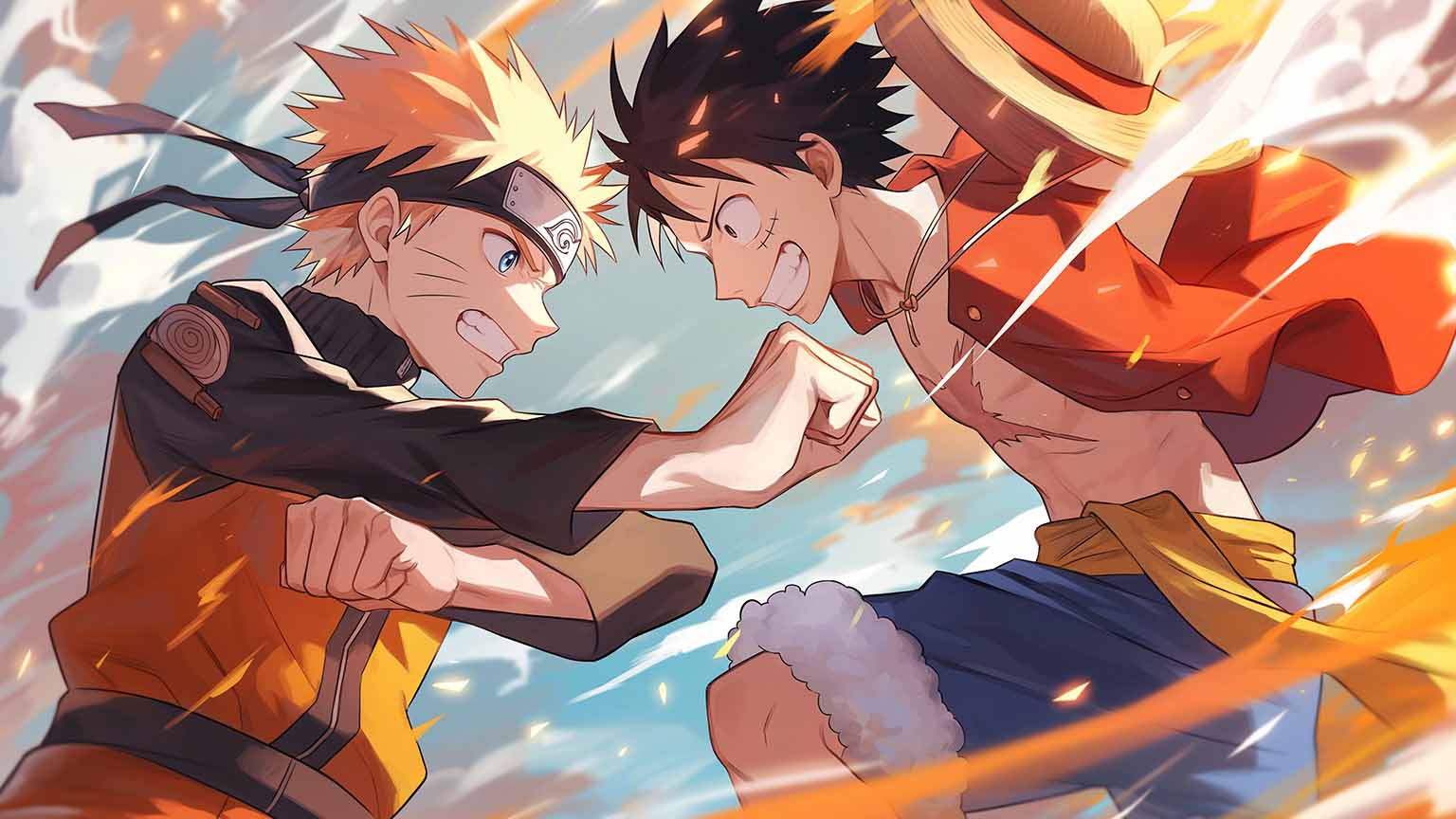
Why now? Because Eiichiro Oda has finally begun tugging on the threads he laid down decades ago. And more importantly, fans are finally asking the right questions. Will the ending hit, or collapse under its own weight? Can One Piece dodge the usual Shonen implosion? (Yes, Naruto, we’re looking at you.)
So let’s navigate the three tidal forces shaping the story right now: the casting choices that scream “hidden secrets,” the family revelations bubbling up from the deep (Franky, we see you), and the meta-battle raging among fans about how this saga should and shouldn’t end.
And because this isn’t fluff, I’ll end with what it all actually means for how you watch, read, and interpret what’s next.
Oda’s no checkers player; he’s moving pieces on a board most of us can’t even see. The proof? Voice casting.
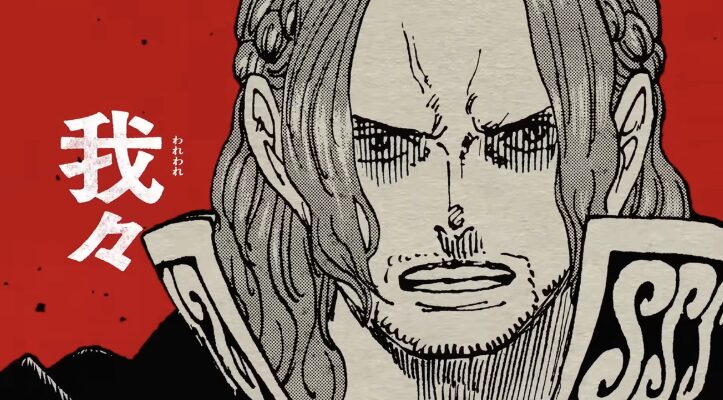
When the anime announced that Kenjiro Tsuda would voice Figarland Shamrock, a character linked to Shanks, fans didn’t just take note; they detonated. Why swap out veteran Shuichi Ikeda, Shanks’s established voice? Why now?
Cue speculation: twin brother, doppelgänger, or hidden lineage. Theories spread faster than a Buster Call.
But this isn’t tinfoil hat nonsense. In One Piece, legacy is law. When names rhyme, designs echo, or voices overlap, it’s deliberate.
Here’s the smart read:
- Shanks might not be singular; there could be another, whether twin, clone, or ideological mirror.
- The Red-Haired Pirates might have deeper roots in the world’s bloodlines.
- The “Will of D.” always needs its counterweight.
Watch how Oda uses voices, scars, and dialogue rhythm. Casting isn’t just production; it’s prophecy.
Franky’s story was always a bit of an outlier being half-man, half-machine, mostly chaos. But the Final Saga is digging into his past, and fans think the identity of his mother is about to drop.
Theory time:
Oda has confirmed that Queen (yes, that Queen) is Franky’s father. Naturally, the next question: who’s the mother? One increasingly popular guess is Gloriosa of Amazon Lily. It sounds wild until you look at the chin.
If that theory holds, Franky’s backstory connects to ancient pirate bloodlines and matriarchal legends long buried by the World Government. Suddenly, he’s not just the shipwright; he’s carrying generational weight.
This pattern is everywhere. Minor characters’ histories are resurfacing, not as filler, but as fuse. Oda’s tightening the web, reclaiming side stories and welding them into the main plot. The message is clear: no thread was ever wasted.
Here’s where the fandom splits. The comparisons are inevitable: two legendary series closing in on divine wars, ancient prophecies, and legacy-heavy heroes. But while Naruto stumbled into reincarnation fatigue, Oda still seems to have his map.
The skeptics warn that One Piece is marching into the same trap:
- Luffy vs. Blackbeard mirroring Naruto vs. Sasuke.
- Will of D. as a Joy Boy reincarnation twist.
- Final war syndrome: too many players, too little emotion.
But the optimists counter with five good reasons Oda’s safe:
- His setups are decades old, not last-minute inventions.
- Luffy’s arc is about freedom, not prophecy.
- Every Straw Hat matters; this is a crew story, not a solo destiny.
- The pacing, though dense, remains intentional.
- Oda’s foreshadowing track record is absurdly clean.
My read? Oda has the blueprints. But building a myth this big is messy. Some bricks will crack. Some threads will fray. Yet if any Shonen deserves to stick the landing, it’s this one.
Here’s what to actually do if you want to stay ahead of the wave:
- Pay attention to casting. When a new A-list voice actor shows up near a key figure, it’s not random.
- Watch the family trees. When characters start asking about bloodlines, it’s groundwork for revelation.
- Notice pacing shifts. When tone pivots from slapstick to lore-heavy exposition, Oda’s shifting gears toward the endgame.
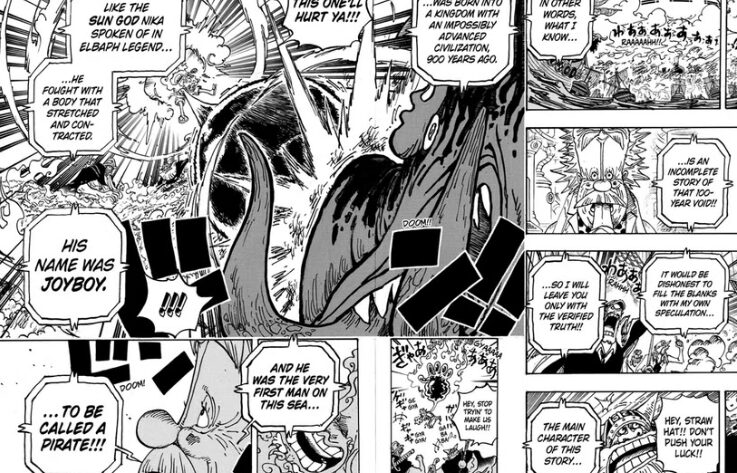
- Track the “legacy arcs.” Reused symbols and phrases (“Will of D.”, “Joy Boy”) are no longer reminders; they’re countdowns.
- Join the discourse. Fandom isn’t just noise; it’s collective pattern recognition. When Reddit erupts over theory overlap with Naruto, that’s data.
- Revisit old flashbacks. Rewatch “filler” arcs as they weren’t filler. The story’s true map has been hiding in plain sight.
At its heart, One Piece isn’t about pirates; it’s about freedom versus control, history versus erasure, will versus destiny. Oda built a mythology that doubles as a mirror for how we make meaning in chaos.
History isn’t backdrop; it’s character.
Prophecy isn’t the point; choice is.
Empire isn’t villain; it’s the question.
And that’s where One Piece touches something existential. It’s not preaching divine fate; it’s screaming that your will matters. That freedom means responsibility. That no one’s coming to define your journey but you.
That’s why this ending matters so much. It’s not just about Luffy finding treasure; it’s about whether Oda proves that a story driven by human will can outlast prophecy itself.
If you’d asked me years ago how this saga might end, I’d have shrugged. Now? The signs are too clear to ignore. Everything’s converging: plotlines, bloodlines, ideologies. The ocean’s surface is calm, but beneath, every current is colliding.
Will it be perfect? Of course not. But One Piece doesn’t need perfection; it needs purpose. And right now, Oda still has that compass steady.
So hold fast. Watch closely. The next arc won’t just move the story forward; it’ll rewrite the legend.