

Donald Trump has shifted his position in dramatic fashion, urging Republicans in the House of Representatives to vote for the full release of government files related to the late Jeffrey Epstein.
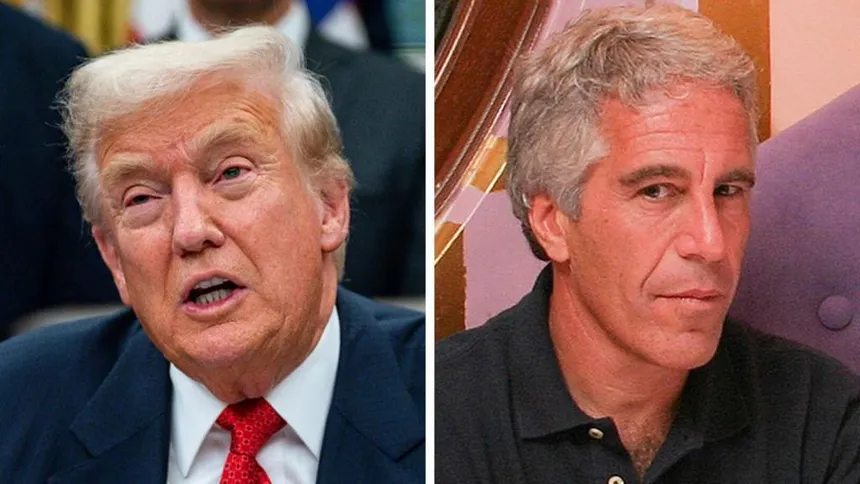
The call came late Sunday, framed by Trump as a simple matter of transparency and accompanied by the assertion that “we have nothing to hide.” The turnabout was striking because, until recently, he had dismissed the push for disclosure as a partisan distraction promoted by Democrats.
For weeks, he argued that the demand had little to do with justice and everything to do with diverting attention from his administration’s policy agenda.
The political backdrop to this shift has been growing pressure from within Trump’s own coalition.

A steady drip of documents released by House Democrats has kept Epstein’s name, and those of many powerful figures, in the public conversation. Some of the material references Trump, though he has continuously denied any connection to Epstein’s criminal activities. The renewed attention has deepened speculation about who might appear in the unreleased materials, and it has complicated Trump’s efforts to keep intra-party disputes from spilling into view.
The move toward a vote comes as dozens of Republicans signal they may be willing to break with party leadership and support a bill that would compel the government to publish all remaining Epstein-related records. Supporters believe they have enough votes for passage in the House, though the bill’s fate in the Senate remains unclear. The proposal, the Epstein Files Transparency Act, requires the justice department to release all unclassified materials tied to the case, ranging from interview transcripts to items seized in earlier investigations. If the measure clears both chambers, Trump himself would have to approve the final release.
Epstein, who allegedly died by suicide in a New York jail in 2019, left behind vast quantities of evidence collected during two criminal investigations. Much of that material, especially the portions never made public, has become a magnet for speculation. The interest intensified last week when Democrats on the House Oversight Committee published several email exchanges between Epstein and Ghislaine Maxwell, the longtime associate now serving a 20-year sentence. One message referenced Trump by name, suggesting he had spent time at Epstein’s home. The White House later identified the unnamed victim referenced in that email as Virginia Giuffre, who died in April. Giuffre had long maintained that she never witnessed Trump engage in any abuse, and the emails did not allege misconduct by him.
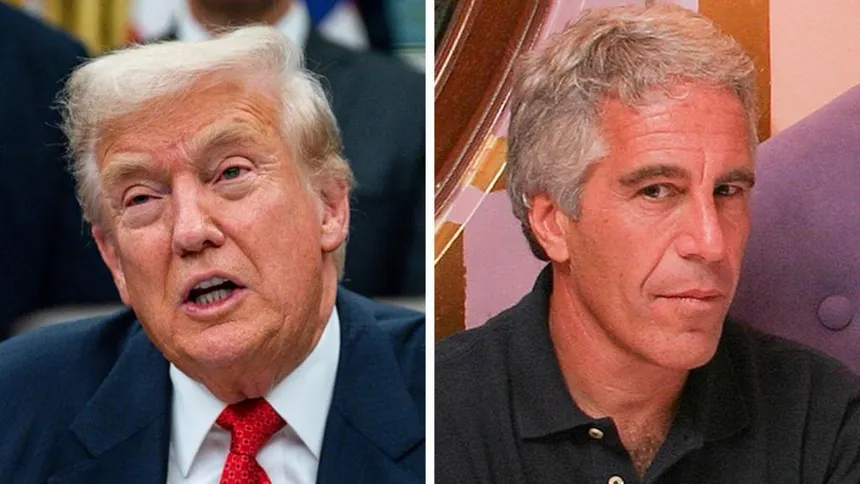
The Democratic release prompted a swift counter-move from House Republicans, who published roughly 20,000 documents, far more extensive than the earlier tranche. Their argument was that Democrats had selectively released material to shape a misleading narrative about Trump. The clash over documents only deepened the political tension. Glenn Grothman, a Republican member of the oversight committee, suggested that Trump’s reversal stemmed from a desire to end the slow, piecemeal releases that he believed would keep speculation alive and distract from other priorities, including budget negotiations. According to Grothman, the president concluded it was better to endure a brief surge of headlines than weeks of incremental disclosures.
The dispute has not solely played out along party lines. Some Republicans who typically avoid breaking with Trump have endorsed full transparency, among them Representative Thomas Massie, who believes as many as 100 Republicans could support the bill. At the same time, Trump’s handling of the issue triggered an unusually sharp public confrontation with Congresswoman Marjorie Taylor Greene. After Trump attacked her as “wacky” and a “traitor” and suggested she should face a primary challenger, Greene questioned whether he was still putting “America First” and accused him of using her as a warning to others in the party who might support the release.
Beyond the partisan fights, families of Epstein survivors and Giuffre’s relatives have urged Congress to approve the bill. Their letter framed the moment in moral terms, asking lawmakers to imagine what they would want if someone close to them had been victimized. They ended with a reminder that voters would remember where their representatives stood.
The justice department has confirmed it is reviewing Epstein’s alleged ties to major banks and several prominent Democrats, including former President Clinton. Clinton has denied any involvement with Epstein’s crimes. Recent releases also mentioned names such as LinkedIn founder Reid Hoffman and former Treasury Secretary Larry Summers. Summers has said he regrets maintaining contact with Epstein after his 2008 conviction, while Hoffman described his own involvement as limited to fundraising for the Massachusetts Institute of Technology.
Trump’s reversal has not settled the matter, but it has pushed the House toward a vote that could come within days. Whether motivated by political calculation, pressure from within his party, or a belief that full disclosure is the quickest path to neutralizing the controversy, the shift underscores how the Epstein case continues to challenge institutions and reputations years after his death. The demand for clarity, and the unease surrounding what might surface, has not faded. It has simply moved to the center of America’s political stage again, with both parties wagering that transparency will serve their interests.