
In Japan, kindness rarely makes a sound.
It doesn’t call attention to itself. It happens quietly, a hand reaching toward a trembling animal, a volunteer waiting in the rain beside a cage, a neighbor climbing a ladder because they heard a faint cry. These moments don’t announce themselves as acts of heroism. They simply happen, tucked inside the rhythm of ordinary life.
All across the country, from the small towns by the sea to the narrow backstreets of Tokyo, stories of rescued cats and dogs travel by word of mouth and through the glow of phone screens. They’re not really stories about tragedy or triumph. They’re about what happens when compassion steps in: how, in helping something small, we end up healing a part of ourselves too.
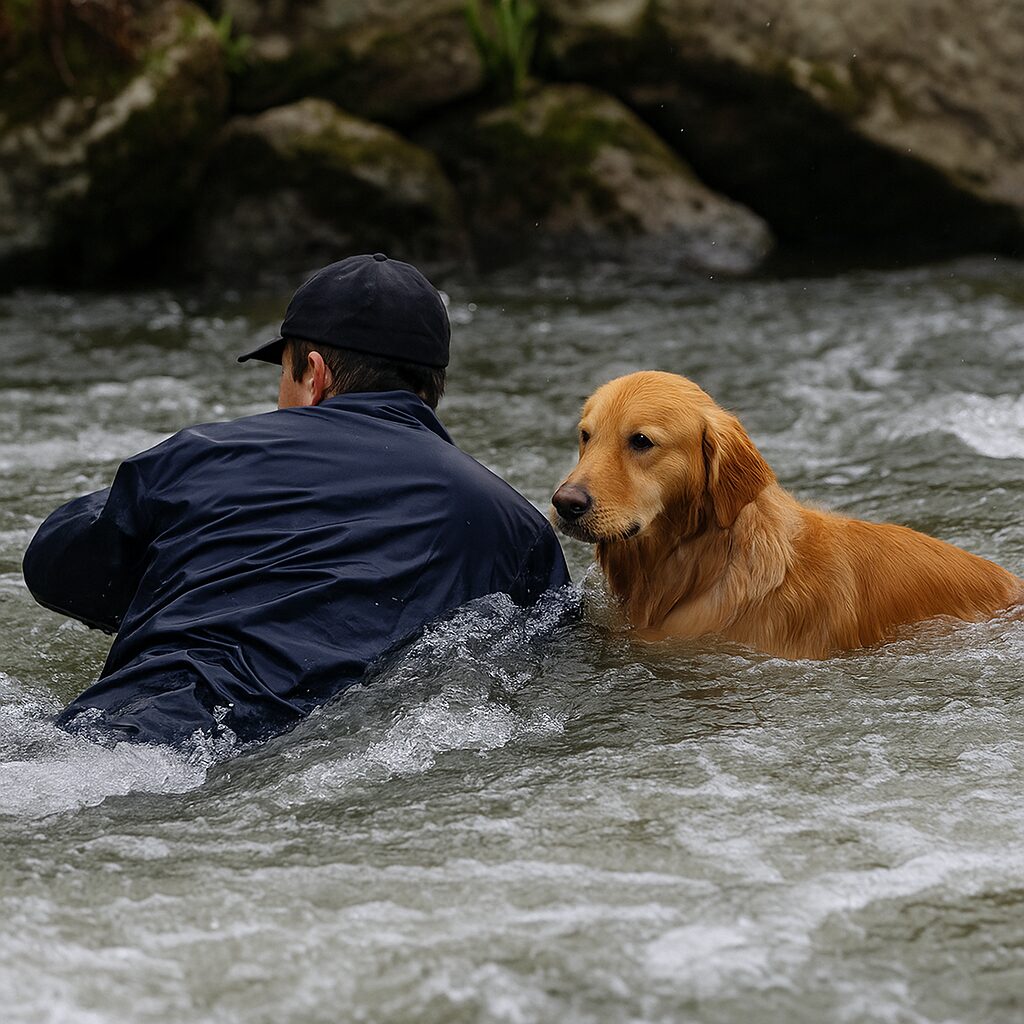
One of the stories began with a shout and the rush of water. A man had slipped into a swollen river, struggling against the current. The camera shook as bystanders called for help. Then, from the edge of the frame, a brown-and-white dog jumped in after him. There was no hesitation, no command. The dog simply leapt. He paddled hard against the water, circling the man, staying close enough that rescuers could pull them both to safety. The video spread quickly online. The headlines called him a hero dog, but what struck most people wasn’t the drama, it was the simplicity. There was no performance, no reward. Just love in motion, instinctive and unthinking. No one taught that dog to save his owner; he just couldn’t stand to be apart from him. Sometimes love looks like that: not grand, not planned, just immediate.
In another small town, a cat got stuck high in a tree. No one knew how she got up there; maybe she’d been chased, maybe she panicked, but for six days she stayed, frozen in fear.
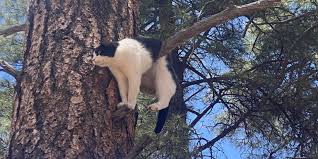
People began to notice. Someone left food at the base of the tree. Others called for help. A volunteer group arrived with ladders and ropes, speaking softly up to her. “It’s okay. You can come down,” they said, as if the cat might somehow understand. The rescue took hours. The crowd that had gathered held their breath. When the cat was finally lifted into a towel, the applause that followed was small but full of relief. “Lucky kitty,” someone whispered. A video of that moment was watched more than 200,000 times, but what mattered wasn’t the number. It was what it showed: strangers waiting together, refusing to walk away. For almost a week, they kept showing up. They shared food, laughter, worry. By the end, it felt like the whole neighborhood had rescued her.
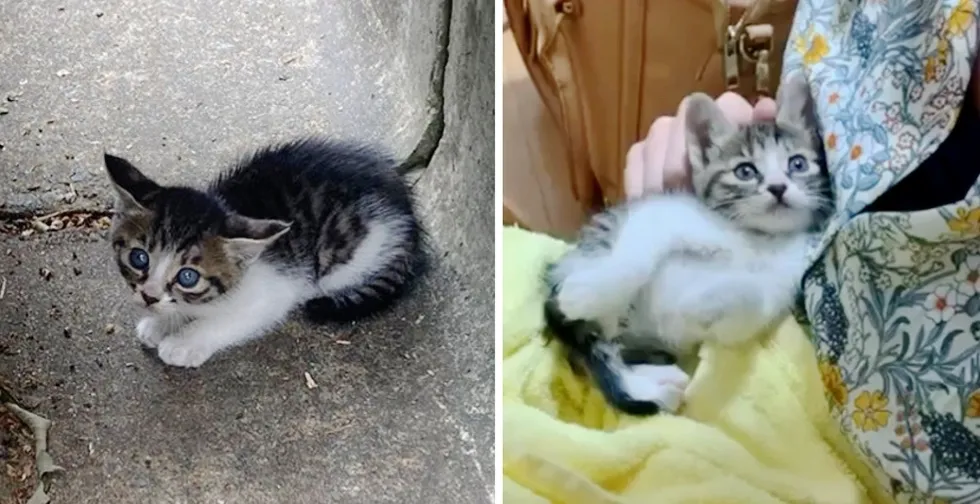
Elsewhere, a kitten named Palme arrived at her new home shaking all over. She’d been rescued from a shelter, the kind of place filled with strange sounds and too much waiting. Now she was in a quiet room, but safety doesn’t feel real at first. Her new owner sat on the floor beside her, speaking softly. No sudden movements. No rush. Hours passed like that, silence, patience, a soft rhythm of reassurance. And then, almost suddenly, Palme rolled onto her back. In the short video that followed, the kitten looks up, her paws curled, her eyes half-closed. “She already trusts me,” her new owner says quietly, her voice catching. Trust, it sounds like such a small word, but it carries so much history. For animals who have known fear, it’s the hardest thing to give back. But Palme did, after only three hours. Her owner later wrote, “I hope she grows bigger than my hand someday.” It read less like a wish and more like a promise.
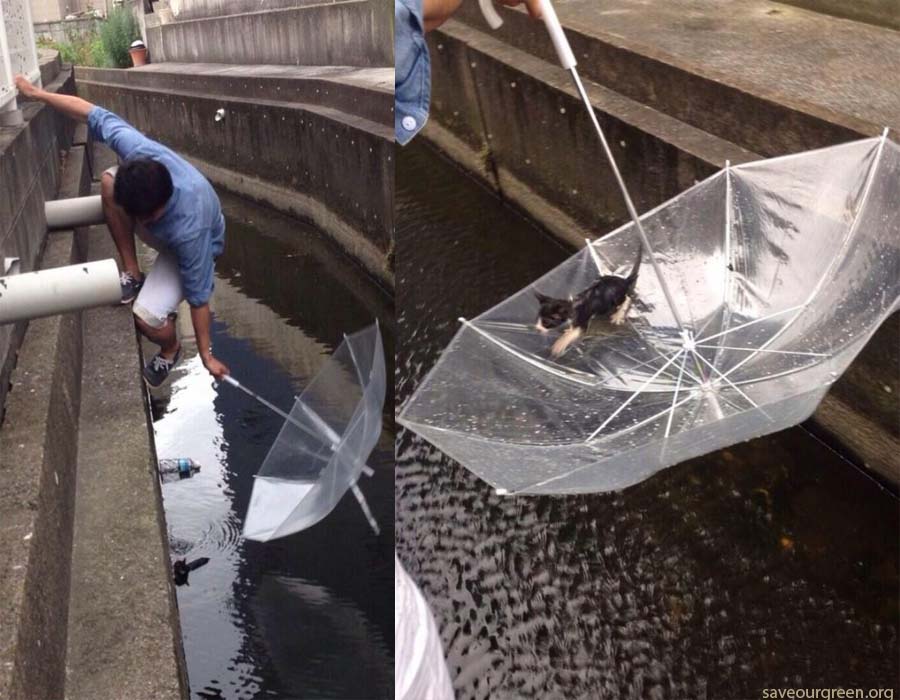
Then there was the kitten found crying in a drainage ditch after a heavy rain. The sound was so faint it could have been mistaken for the wind, but once you heard it, you couldn’t unhear it. Firefighters came, lifting the grate with gloved hands. Beneath it, in the brown water, was a kitten, soaked, shivering, still crying. They pulled it out gently, wrapped it in a towel, and held it close. The kitten’s cries softened, then stopped. People who saw the video said they cried, too. Maybe because it reminded them how fragile life is. Or maybe because, in that moment, strength and gentleness met. A firefighter’s broad hands holding something small enough to fit in one palm. In Japan, rescue workers often respond to animals in distress, not just people. It’s a quiet reflection of how life is valued here. Watching that soaked kitten blink against the towel, you feel it: the idea that no life is too small to save.
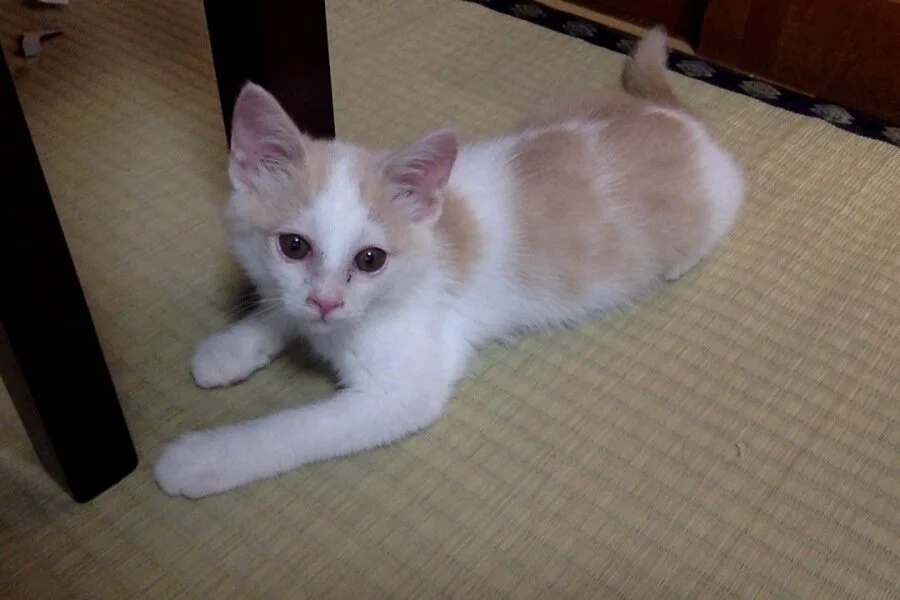
Lucian’s story began with illness and ended with calm. She was rescued sick and weak, barely able to move. A local therapy program paired her with a couple looking to foster a cat. They promised her a quiet home and time to heal. At first, Lucian hid under the table, watching them from the shadows. The couple gave her space, speaking softly when they passed. Weeks went by. Then one afternoon, she rubbed against their leg and purred. It was the first sound of trust. In a video posted later, Lucian is kneading a blanket beside her owner before curling up next to him. Her eyes close slowly, like someone finally resting after a long journey. They call her “the little healer” now. She follows them from room to room, sleeps between them at night. The couple says she changed their lives. And maybe that’s what rescue really is: not one side saving the other, but two lives meeting in the middle.
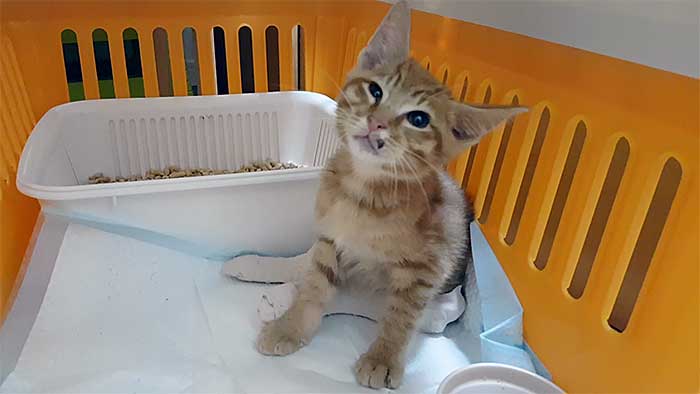
Five stories, different places, same feeling. Each began in trouble with a river, a tree, a ditch, a shelter cage. Each ended in warmth. But between those beginnings and endings were small, human choices: people who stopped when they didn’t have to, who waited, who cared. In Japan, kindness doesn’t always come with words. It’s the quiet volunteer driving three towns over to deliver food to strays. The retired man building cat shelters under a shrine. The rescue team that answers every small cry, even when they’re tired. The beauty of these moments is that they happen quietly. They don’t ask for praise. They just become part of the background of goodness that keeps the world from hardening.
If you could trace these rescues on a map, you’d see a scattering of light: a dog by a river, a cat in a tree, a kitten in a ditch, a cat named Lucian curled on a bed, a kitten named Palme discovering safety for the first time. They’re small dots, but together they form something whole, a kind of geography of care. Some people say animals find the humans they’re meant to heal. Maybe they do. The dog by the river showed us love that doesn’t pause to think. The tree cat reminded us that community can climb together. Palme proved that trust can return. The ditch kitten made strangers weep for a life they’d never meet. Lucian taught that healing goes both ways. They’re quiet stories. But if you tell enough quiet stories, they begin to change the world’s tone.
There’s a saying in Japan: Kokoro no koe wa kikoeru, “The voice of the heart can be heard.” That’s what these rescues are: the heart made visible. The cry from the ditch. The bark from the river. The soft purr from a new home. Each one saying the same thing: I want to live. I want to love. And somewhere, there’s always someone listening. Someone who stops, who opens their arms and says, “You’re safe now.” Kindness isn’t rare. It’s just quiet, waiting in the corners of the world, in rivers, in trees, in people who still believe that saving one small life can matter.
I still think about Lucian, asleep between her owners. About Palme, finally stretching out her paws in peace. About the firefighters brushing away rain while holding a kitten close. About the dog who jumped into a river without thinking twice. If you look closely, the distance between us and them disappears. What’s left is the same desire to protect, to be seen, to belong. Even when the world feels harsh, someone is still listening for the smallest sound of need. And where kindness waits, life quietly begins again.